Thailand

Practicing Sustainability & Service

A 3-Week Summer Abroad Program

Travel Abroad in Thailand

21 Days

Explore the idea of reciprocity by participating in a Buddhist Theravada meditation retreat, live with marginalized hill tribe communities, and spend time learning about grassroots environmental initiatives. For students interested in community-driven service projects, personal well-being techniques, and sustainable living.

From the buzzing metropolis of Bangkok to the verdant rice paddies of the north, the enchanting beauty of Thailand leaves one eager to explore the next wonder.

Step into the heart of Thailand, where vibrant traditions meet pressing global conversations. From serene mountain monasteries to grassroots community projects, this is a journey of cultural immersion, environmental learning, and mindfulness practice.

Highlights & Outcomes

Learn Ethical Service

Complete 20 service hours and explore responsible, community-centered approaches to service work.

Explore Mindfulness Practices

Join a Theravada meditation retreat and learn multiple forms of insight meditation.

Understand Social & Environmental Issues

Engage with grassroots NGOs tackling regional and global sustainability and community challenges.

Immerse in Thai Culture

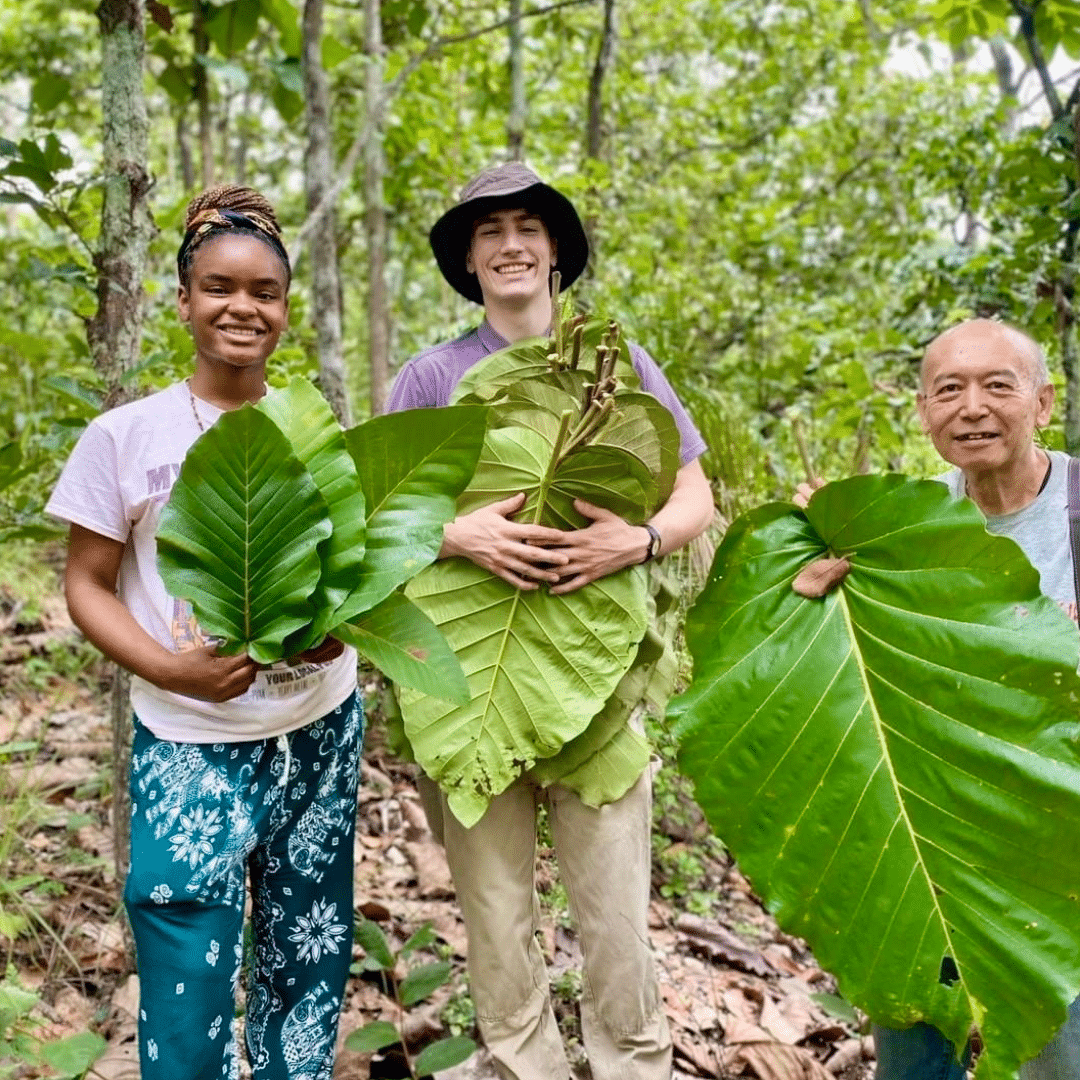
Live with ethnic Karen communities, learning traditional practices, rituals, and sustainable agriculture.

Golden Buddhist statue wearing orange garb
line drawing of Thailand

Your Journey Starts Here

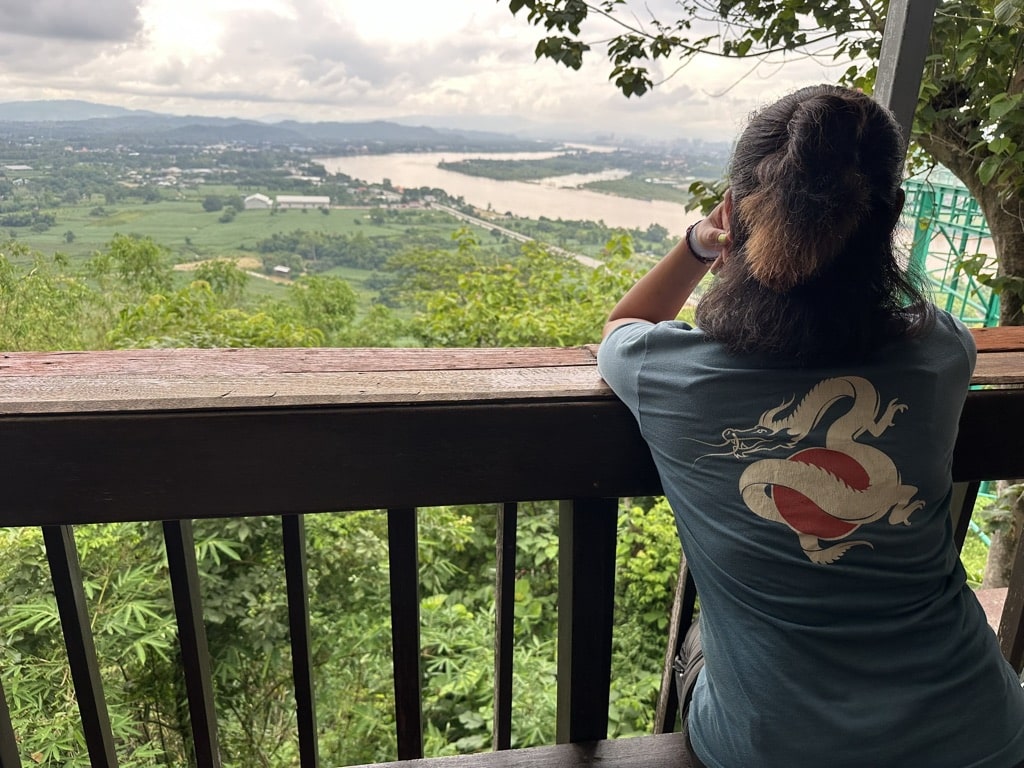
Our program begins in the ancient capital of the Lanna Kingdom, Chiangmai. Here, students orient themselves to the cultural, spiritual, and culinary nuances of the Land of Smiles before diving deeper into learning about the rich cultural heritage of a Karen community outside Chiangrai.

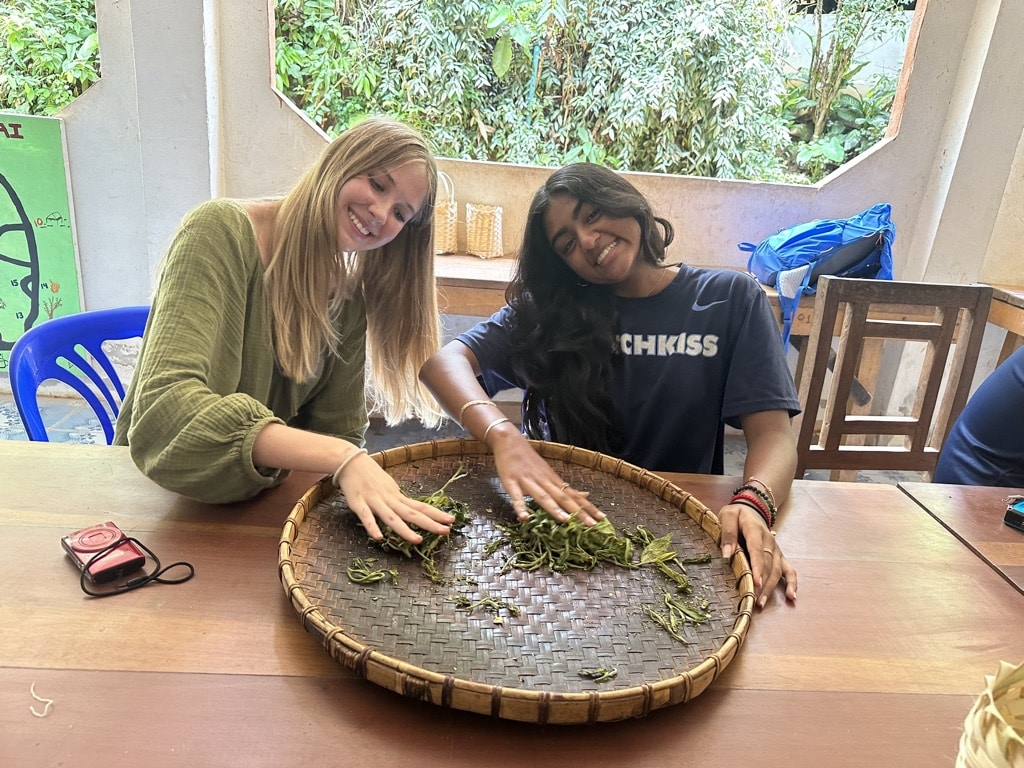
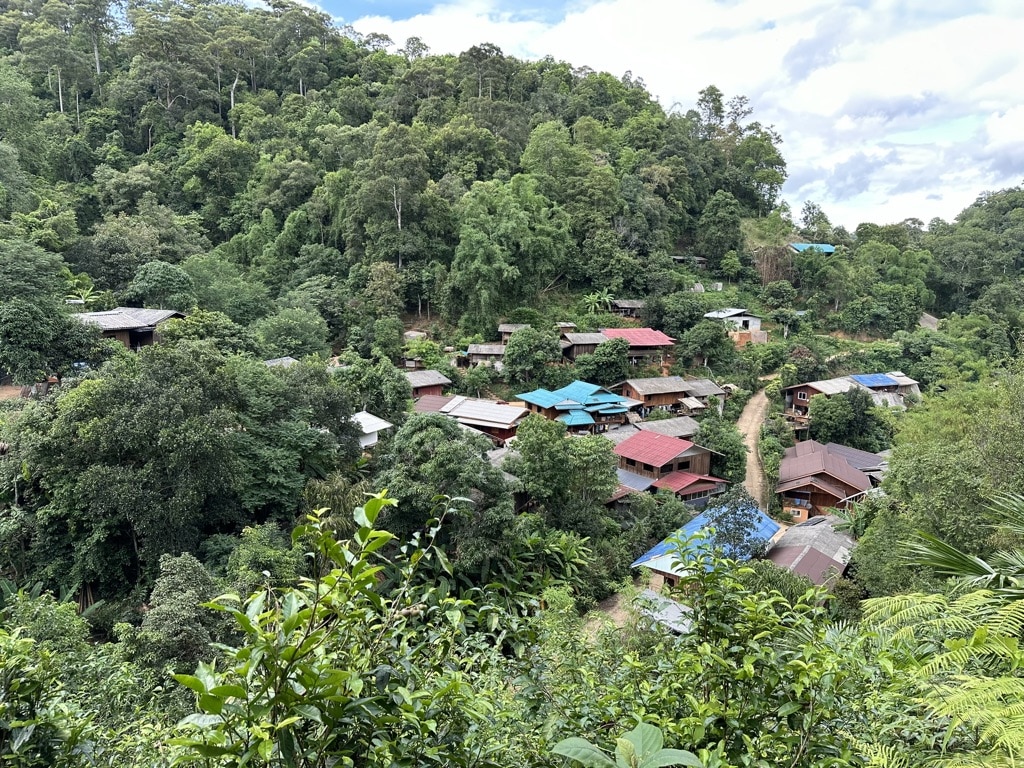
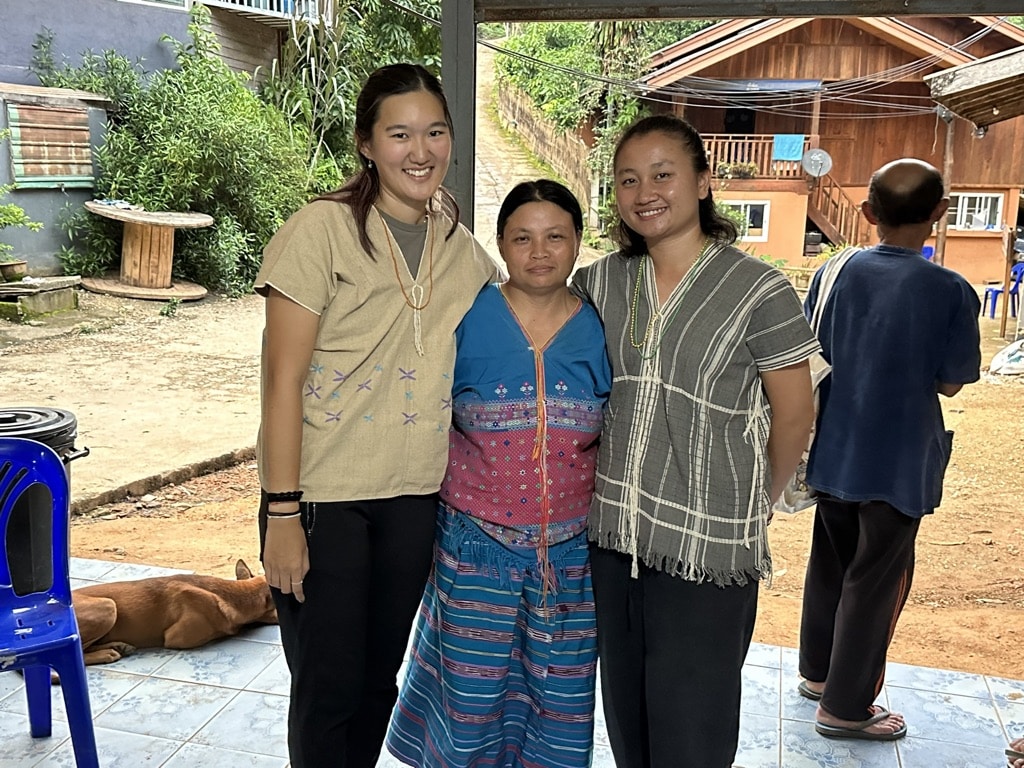
We then move further north into the mountainous hill tribe regions in Hua Hin Lad Nai, where we hike through tea plantations and stay with ethnic minority communities to catch a glimpse into their traditional way of life. During this homestay experience, we’ll learn about sustainable practices like rotational farming, tea cultivation, and honey production, intertwined with deep spiritual insights. Amid tea plantations and Buddhist temples, we explore some of the dichotomies that come with living in a region experiencing rampant development while maintaining ritual and custom.

From here, we enter into a small Theravada Buddhist monastery in Chiang Rai for a three day meditation retreat where we learn and practice many forms of meditation—insight, walking, eating, silence—to center ourselves. We then venture to Chiang Khong, engaging with the Mekong School, a grassroots NGO to gain a profound understanding of regional environmental and social issues.

Our Thailand journey culminates with a few days of exploration of the country’s colorful and bustling capital, Bangkok, where we say goodbye to Southeast Asia amid the wild sprawl and awe-inspiring skyline of one of the world’s great alpha cities.

Itinerary Example

Thailand: Sustainability & Spirituality

Itinerary Example
The following is a sample itinerary based on past courses; actual itineraries are dynamic and may vary.
  • Week 1: Bangkok, Ayuthaya & Chiang Mai

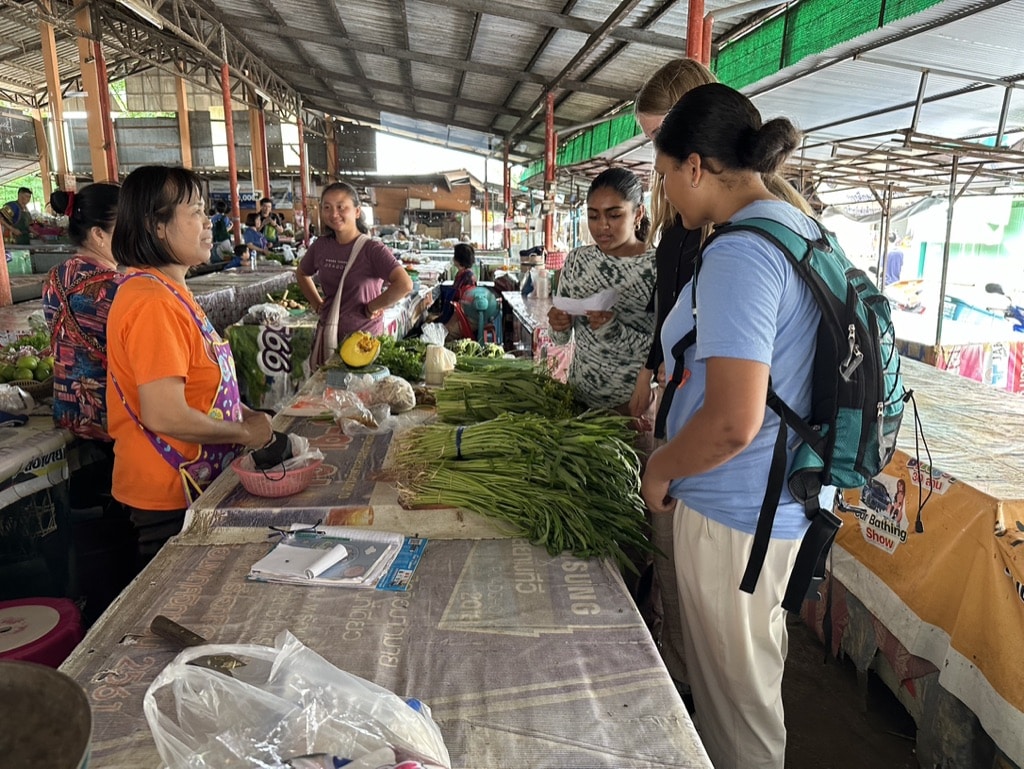
    buying vegetables at market
    Group sitting down on marble floor
    Thailand Travel Abroad

    We begin our travels in Ayutthaya, where students are introduced to Thai language and group bonding activities during explorations of the historical remains of one of South East Asia’s most fabled cities. After a few days of orientation, we continue north by train to Chiang Mai, Thailand’s second largest city, where we learn about the essential qualities of life in northern Thailand. We hike to the temple atop Doi Suthep and meet with monks in the cave temple near the base of the mountain. We sample street cuisine, study the living history of the city, discuss the shifting political realities after the King’s passing and learn about mindfulness through meditation.

  • Week 2: Karen Village & Trekking

    Thailand Travel Abroad
    House on stilts with group walking by
    Thailand Travel Abroad

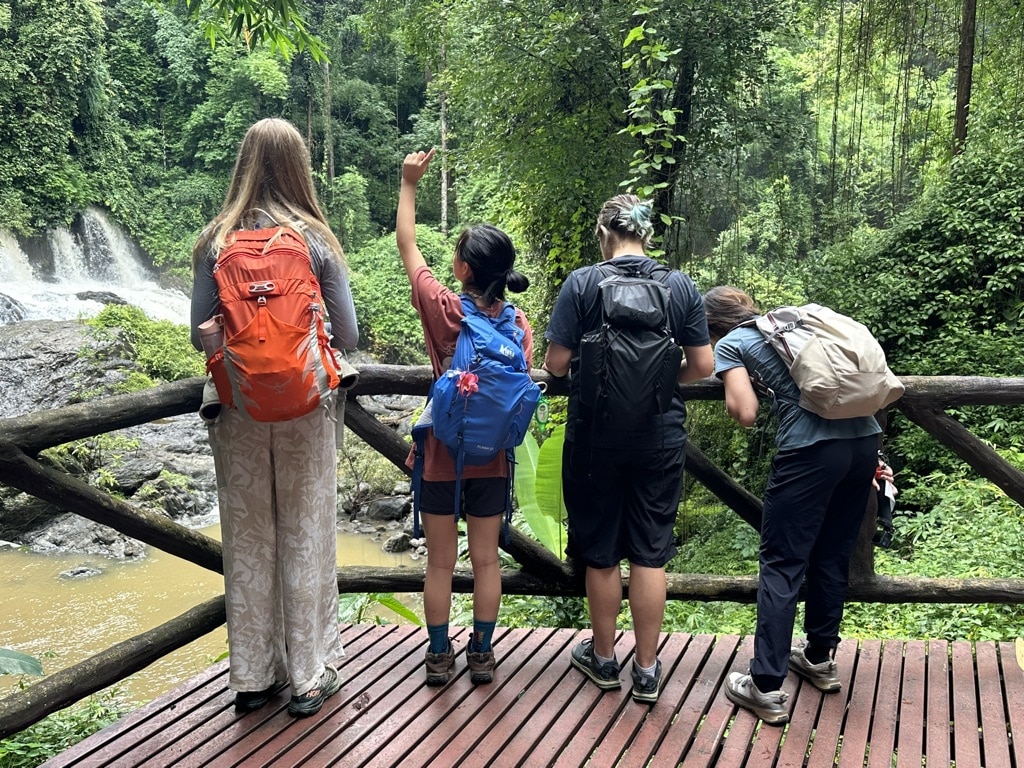
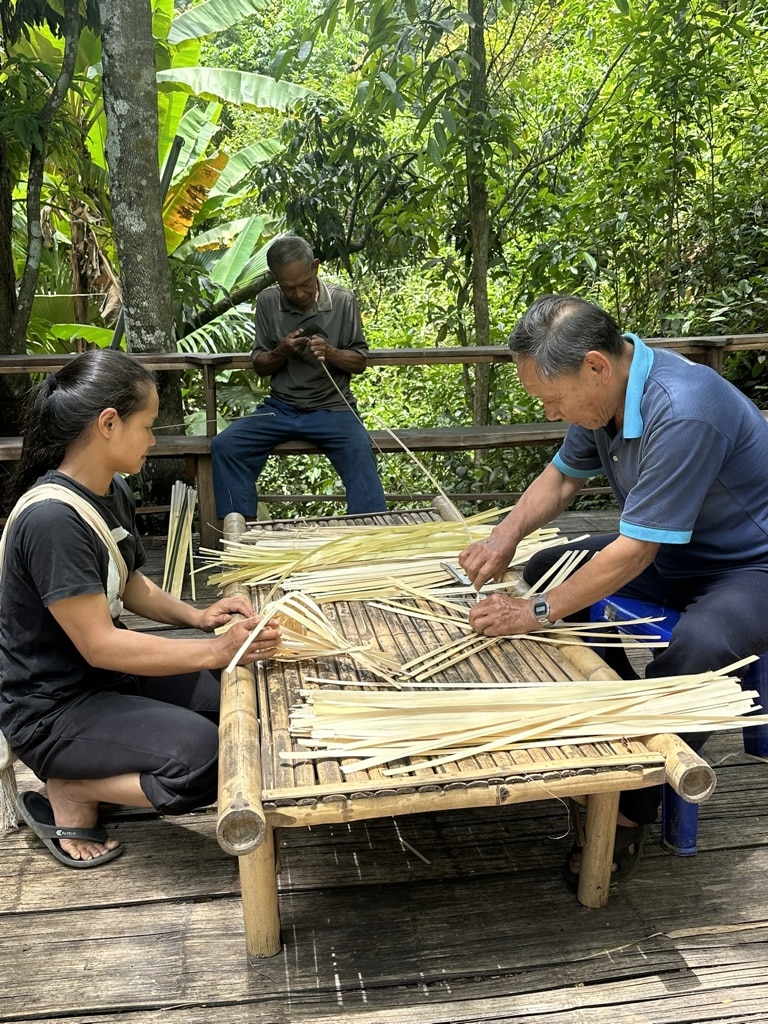
    Feeling oriented and adjusted to Thailand, we travel farther south through misty mountain passes to a Karen village near the largest mountain in Thailand, Doi Inthanon. Here at the Indigenous Dialogue Center we are introduced to more than simply artisanal craftwork; we find ourselves drawn into the profoundly beautiful and intricate ways in which indigenous peoples exhibit the world through their art and mythology. We trek into the misty valleys where waterfalls stream off the limestone cliff sides and the rice paddies are submerged in their pools.

    In the village, students learn about cultural preservation by youth leadership initiatives, alternative models of development, and human-nature relationships by working closely with medicinal and food plants. Daily activities may include hikes with local experts into the forest, working and learning in the fields about rice cultivation and other tropical food crops, learning from Buddhist leaders, and discussions on development.

  • Week 3: Pak Mun & Bangkok

    Thailand Travel Abroad
    Student learning from monk
    Thailand Travel Abroad

    A long bus ride toward the Laos border takes us to Isan province, the agricultural heartland of Thailand and source of the majority of its rice. We are welcomed into a village on the Pak Mun river where we spend time with Thai musicians, fishermen, land rights activists, shamans and chiefs.

    Students immerse themselves in the life of the village, rising each morning to give alms to the monks, and helping cook meals with their homestay families. On the final night, we hold a gratitude ceremony for our host families.

    Upon leaving we make our way to Bangkok, where we visit Thailand’s elegant temples and engage in activities meant to solidify the experience and offer tools to empower students to transmute the lessons learned into their daily lives.

Religious & Spiritual Traditions

History and practice of Theravada Buddhism; discussion of Buddhism, Animism, Christianity and Islam in contemporary Thai society.

Learning Service

Opportunities to participate in community-driven learning service projects focused on simple construction, harvesting or language exchange.

Social & Environmental Justice

Land-use and ecology, ethnic minority and gender issues, border politics, effects of tourism.

Homestay

7+ days of homestay living in rural communities in the northern provinces. Single night village-stays with families while on hikes.

Independent Study Project

Some opportunity during homestays and temple-stays for mentored study in a topic of interest.

Trekking

Easy to moderately challenging village to village multi-day hikes through rice paddy field and forest terrain. Day hikes in conservation areas to find waterfalls and hot springs.

Language Study

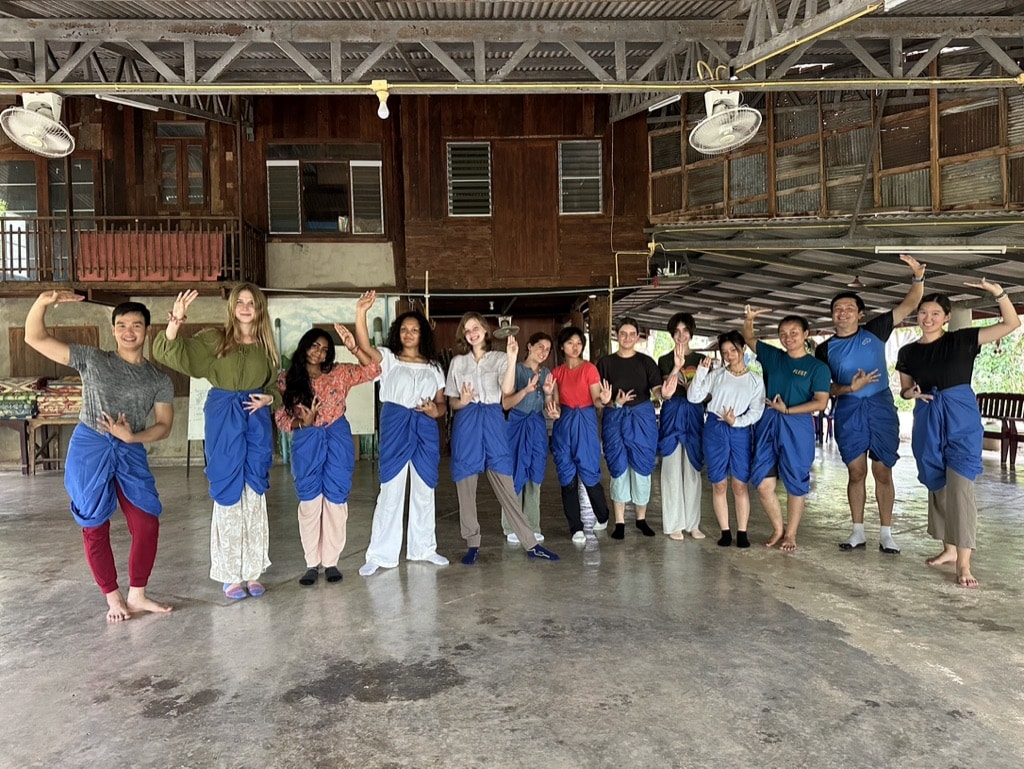
Frequent Thai classes with instructors and language immersion opportunities throughout.

Rugged Travel

Travel by bus, tuk-tuk, taxi, minivan, truck, train, and boat within city, rural and natural landscapes. Expect fairly good roads and some a/c (although in the countryside open air options are more common).

Optional College Credit

To deepen your experience abroad, you may choose to enroll in optional college-level coursework during the program. Those who enroll will be invoiced for an additional college credit fee on top of the program cost.

Students who take a college credit course will receive an official transcript from our university School of Record upon successful completion of the program. Taking advantage of the college credit option may make 529 plan funds eligible toward the entire program cost.

Learn About College Credits

Through our School of Record, you have the option to enroll in 1-2 of the following courses for college credit:

  • COLS 191: Self & Culture in Experiential Cohorts
  • CTE 191: Introduction to Leadership Development
  • CTE 292: Introduction to Ethical Volunteering
See Course Offerings

Meet a Few of Our Instructors

Experienced educators. Community builders. Life mentors. With deep regional expertise and local language fluency, our instructors are skilled at providing context for the student experience and building cultural bridges. We collectively draw upon personal networks to create opportunities for connection and guide students along their journey.

Meet Our Instructors

Frequently Asked Questions

More Questions About Summer Travel?

See All Summer Travel FAQs

Let's Connect

Schedule a Call

Request a Catalog

Dive Deeper