
Costa Rica

Sustainability in Action

A 3-Week Summer Abroad Program

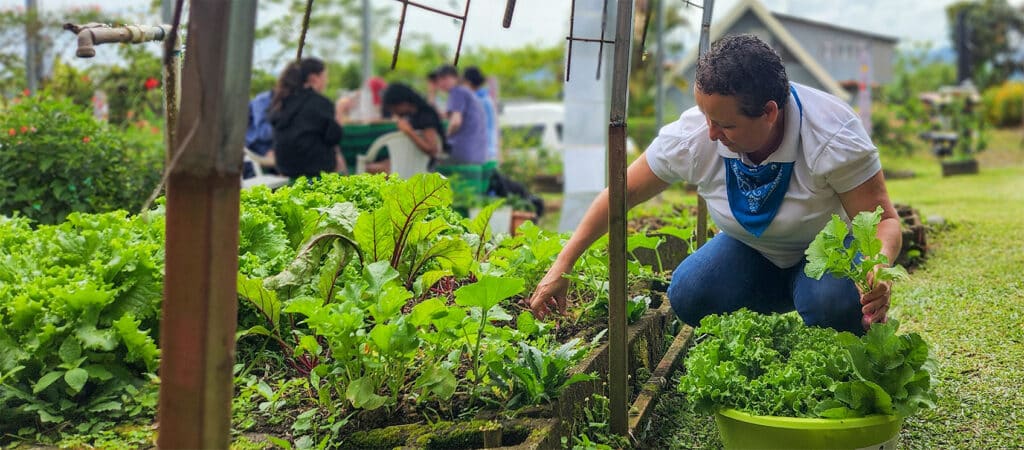
person picking plants from garden

Immerse yourself in Costa Rica’s rainforests, farms, and coastlines while exploring the relationships between people and place. Through rural homestays, hands-on projects, and exchanges with local conservationists, discover community-driven approaches to sustainability. For students interested in environmental stewardship, cultural exchange, and bringing fresh ideas for positive change to their communities.

What does it mean to care for the place you call home?

In Costa Rica, that question comes to life around a family’s wood stove, on a cacao farm, and along a coastline where communities work to protect nesting sea turtles. Learn alongside farmers, artisans, community members, and conservationists whose relationships with the land shape their livelihoods and hopes for the future. Together, explore how caring for diverse ecosystems connects with caring for community, and what those connections might inspire in your own life at home.

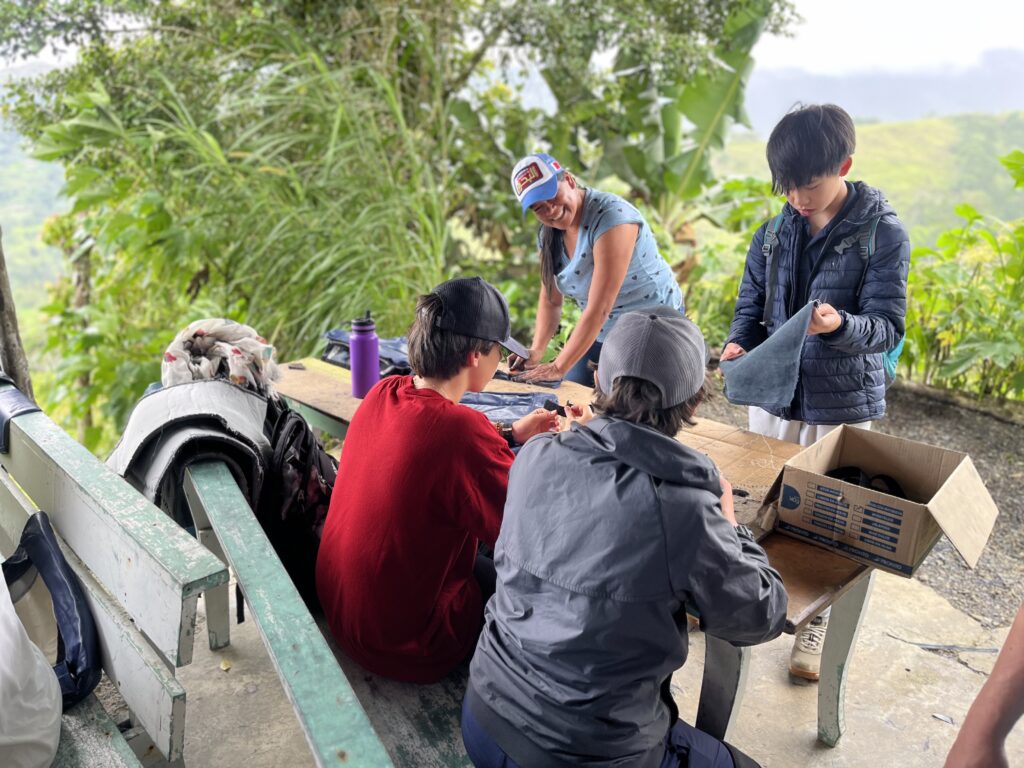
people making crafts at table

Highlights & Outcomes

Sustainability in Action

Explore upcycling, sustainable cacao farming, and community-led conservation through hands-on projects that connect environmental stewardship with local livelihoods.

Rural Homestays & Community Engagement

Share meals, daily routines, and stories with host families, practicing conversational Spanish and building new relationships.

Rainforests, Farms, & Coastlines

Hike tropical forests, explore farms, and learn about coastal conservation while tracing the connections between community life and their ecosystems.

Leadership & Stewardship

Learn from diverse approaches to caring for land and community through grassroots community initiatives and social entrepreneurship. 

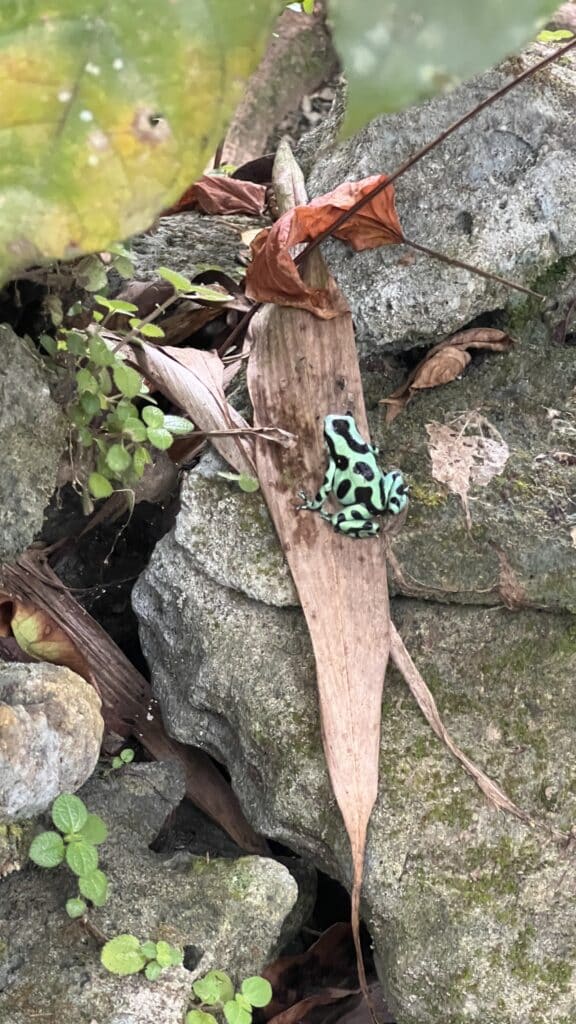
bright green frog with black markings
Costa Rica Map Outline

Your Journey Starts Here

Our travels begins in Turrialba, where forested hills and farms introduce us to the relationships between people and place. At the Tropical Agricultural Research and Higher Education Center (CATIE), we get to know our group and explore biodiversity, food production, and sustainability.

Visits to Wearsos and Nortico bring these themes to life. We discover how upcycling and social entrepreneurship can support rural livelihoods and how cacao cultivation connects food, ecosystems, and the choices we make as consumers. In nearby Mollejones, rural homestays offer opportunities to prepare meals, practice Spanish, and share daily life with local families.

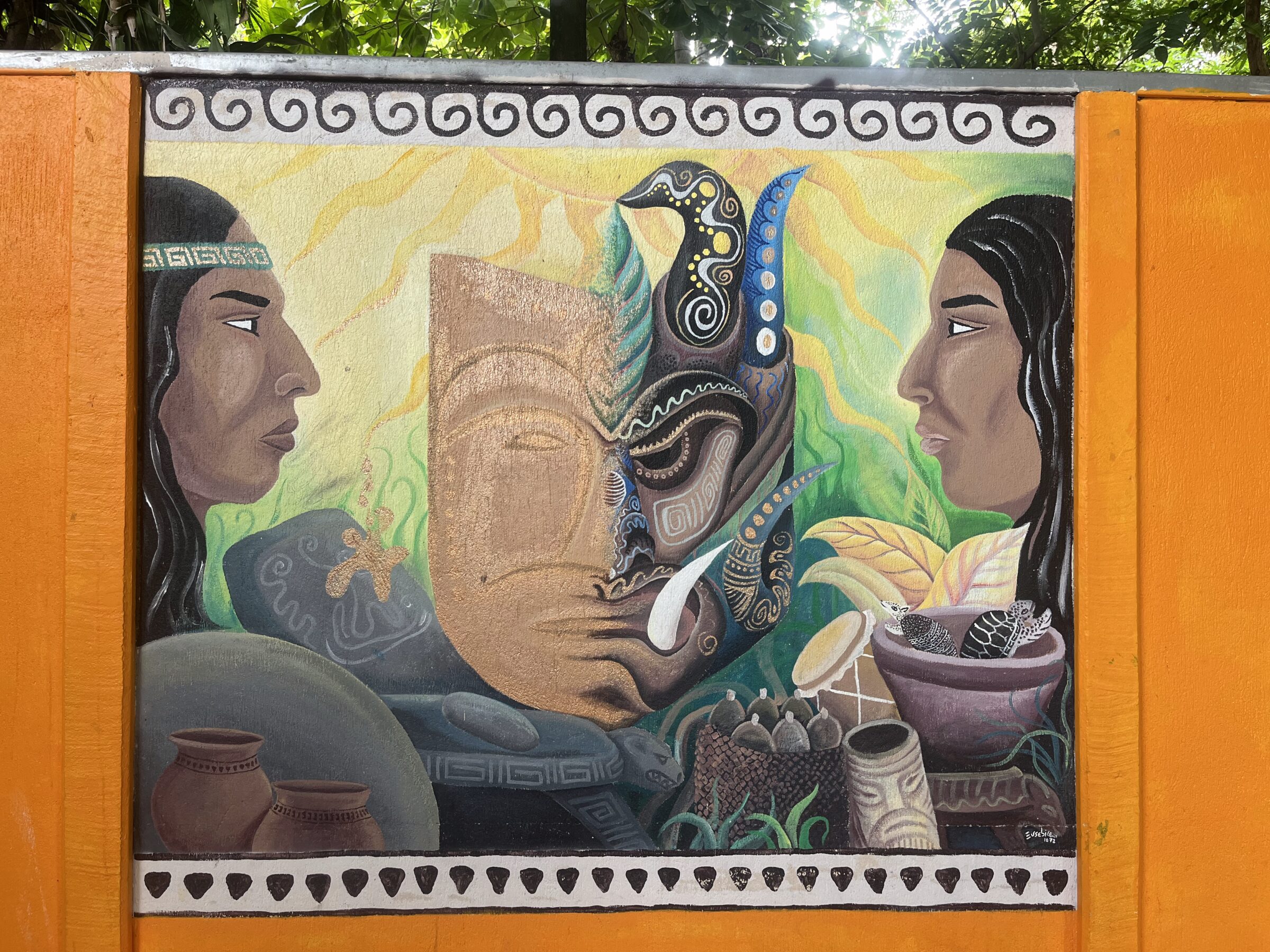
Traveling south, we explore Indigenous territories in Costa Rica’s South Pacific. Through exchanges with Brörán and Brunka community members, we learn about cultural continuity, self-determination, and the meaning of territory. Stories, food, and local traditions invite us to consider how communities sustain their identities while navigating environmental and economic change.

Our final week takes us to the North Caribbean, where we explore community perspectives on coastal conservation. We learn alongside local hosts and grassroots conservationists about the relationships between waterways, wildlife, and livelihoods. We close with time to reflect on the relationships we have built and consider how lessons from Costa Rica can inspire our own leadership development and choices back home. 

Itinerary Example

Costa Rica

Itinerary Example
The following is a sample itinerary based on past courses; actual itineraries are dynamic and may vary.
  • Week 1: Turrialba & Mollejones

    After arriving in Costa Rica, travel to Turrialba for orientation amid the gardens and agricultural landscapes of CATIE. Get to know the group and begin exploring how conservation and food systems intersect. Follow the connections between forests, farms, and waterways, asking how water shapes the places we visit and the lives of the people who call them home.

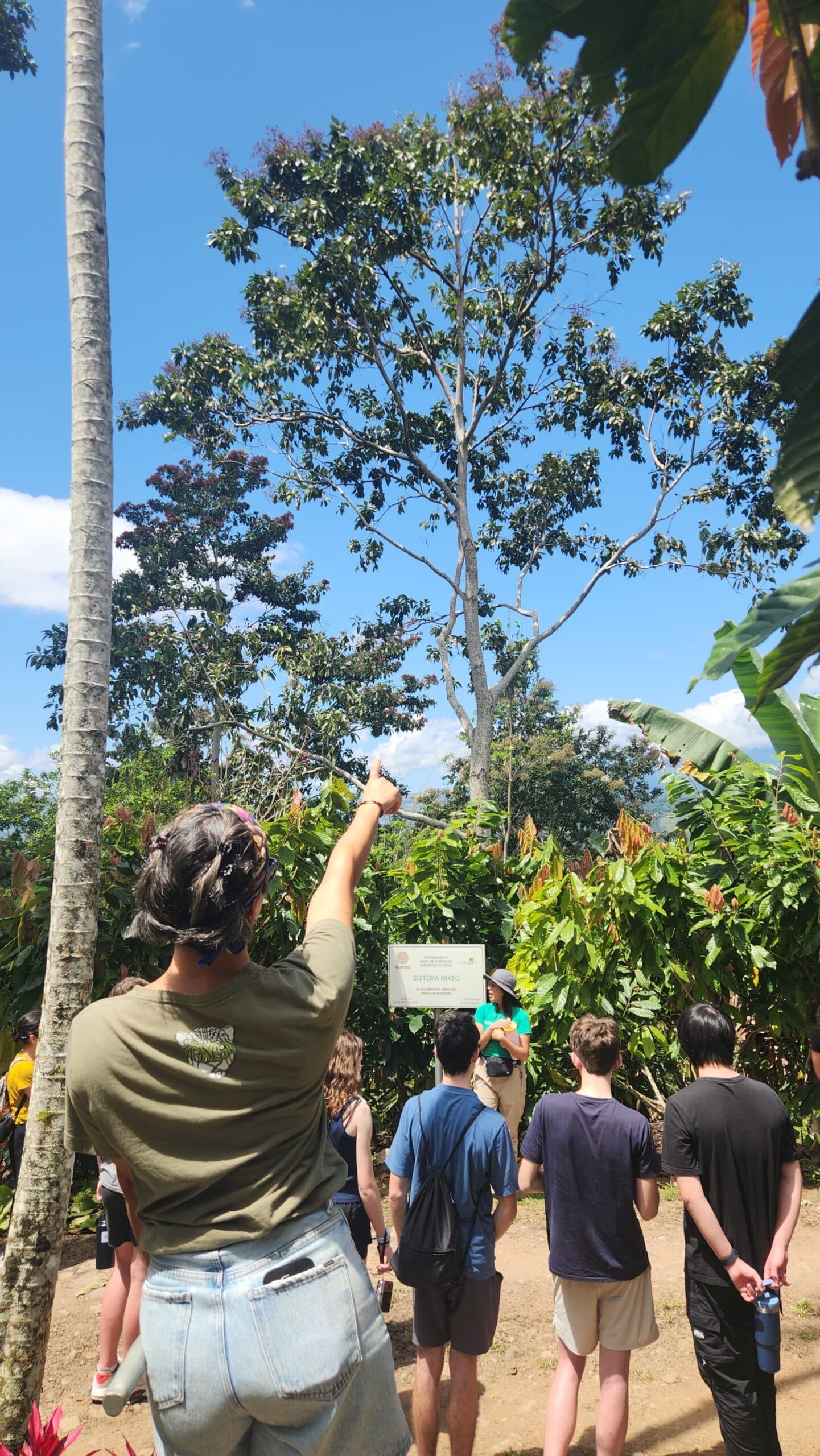
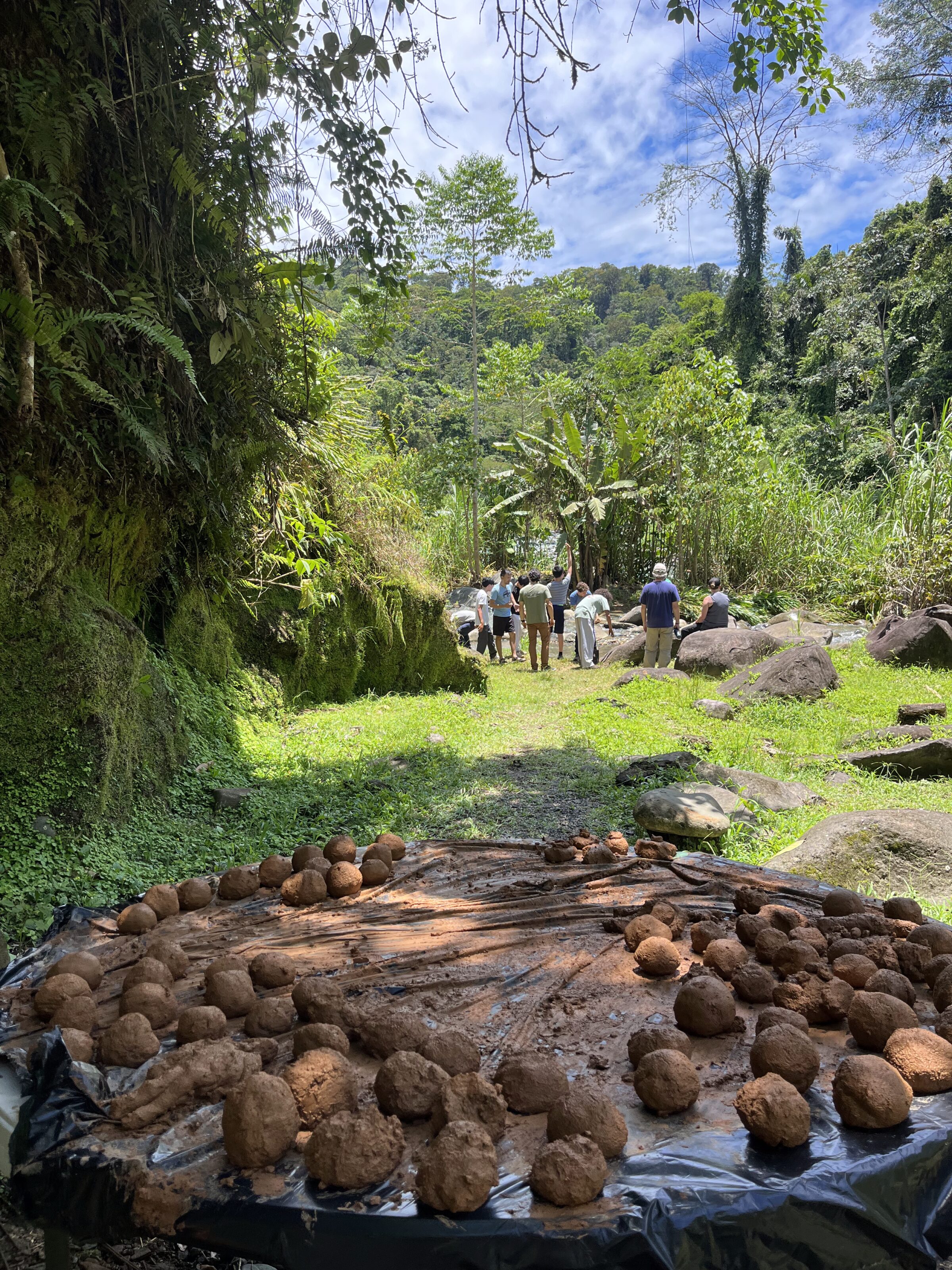
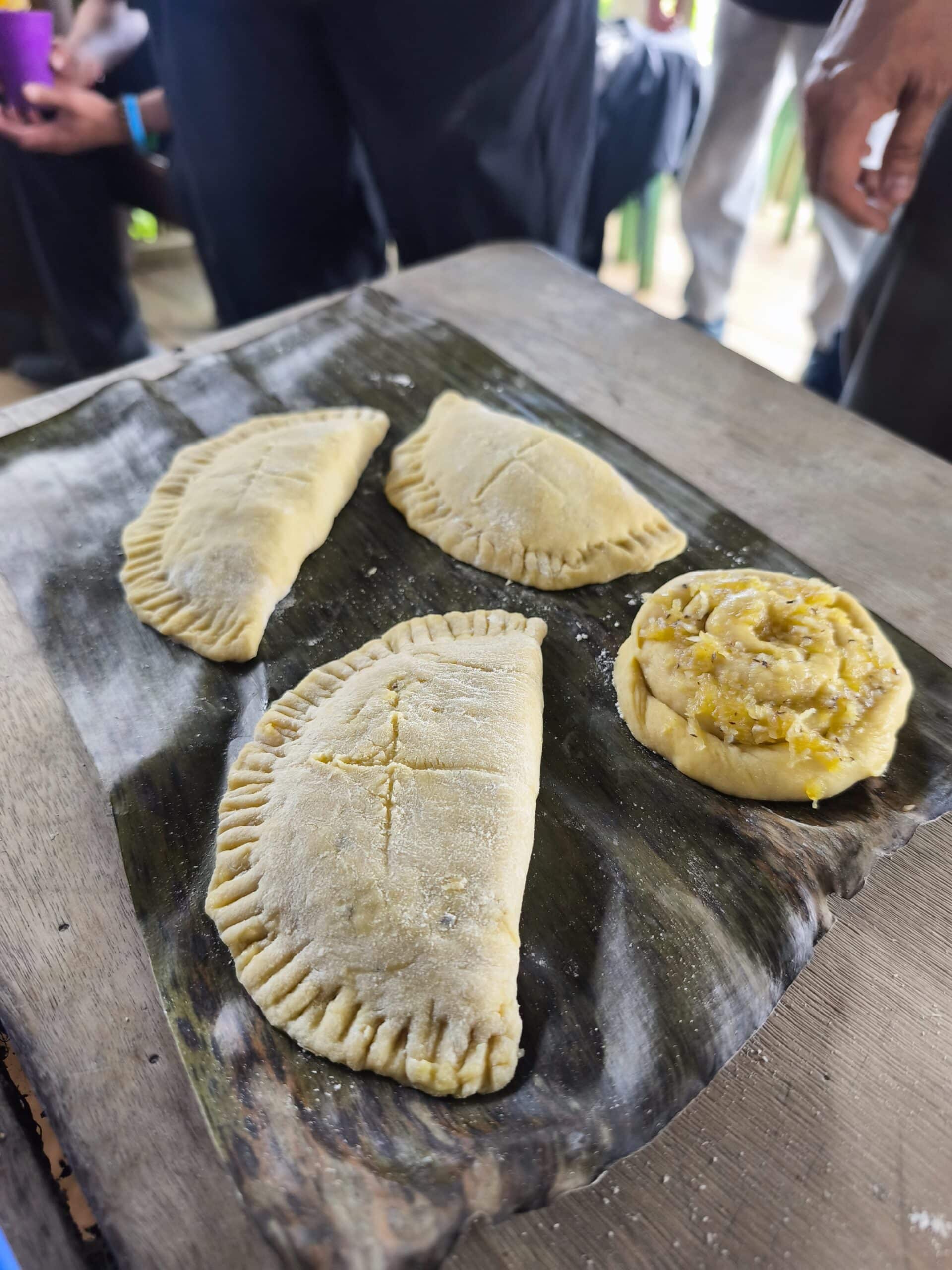
    Visit Wearsos to learn how upcycling can address waste reduction, creative design, and economic opportunity. At Nortico, follow cacao’s journey from farm to chocolate, exploring the connections between sustainable agriculture, biodiversity, and the foods we consume. Then settle into homestays in rural Mollejones, where shared meals, bread and tortilla making, and everyday conversations introduce us to rural life. Practice Spanish and consider how people build livelihoods that allow them to remain rooted in, and care for, the places they call home.
  • Week 2: Farms, Forests & Indigenous Perspectives

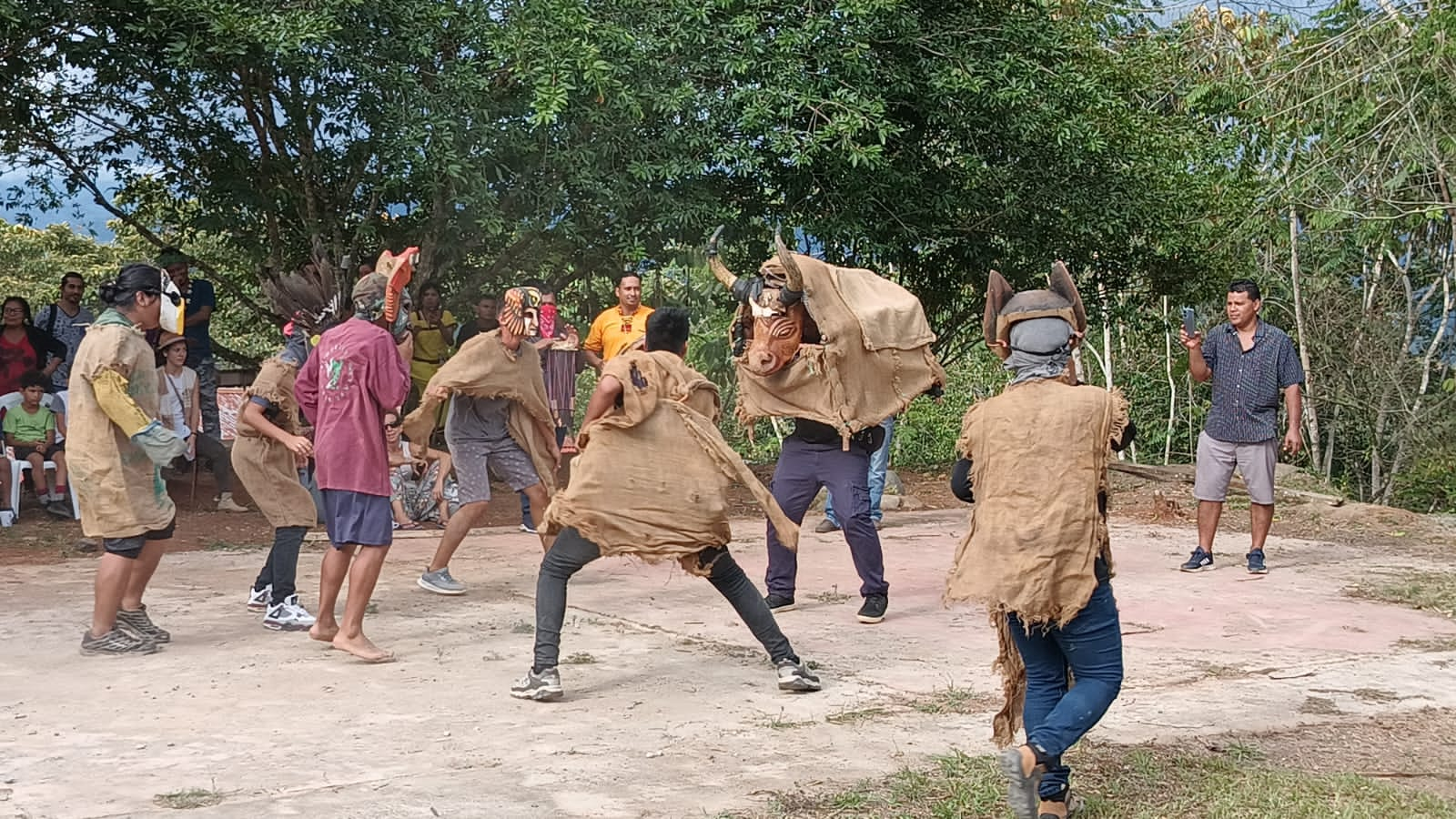
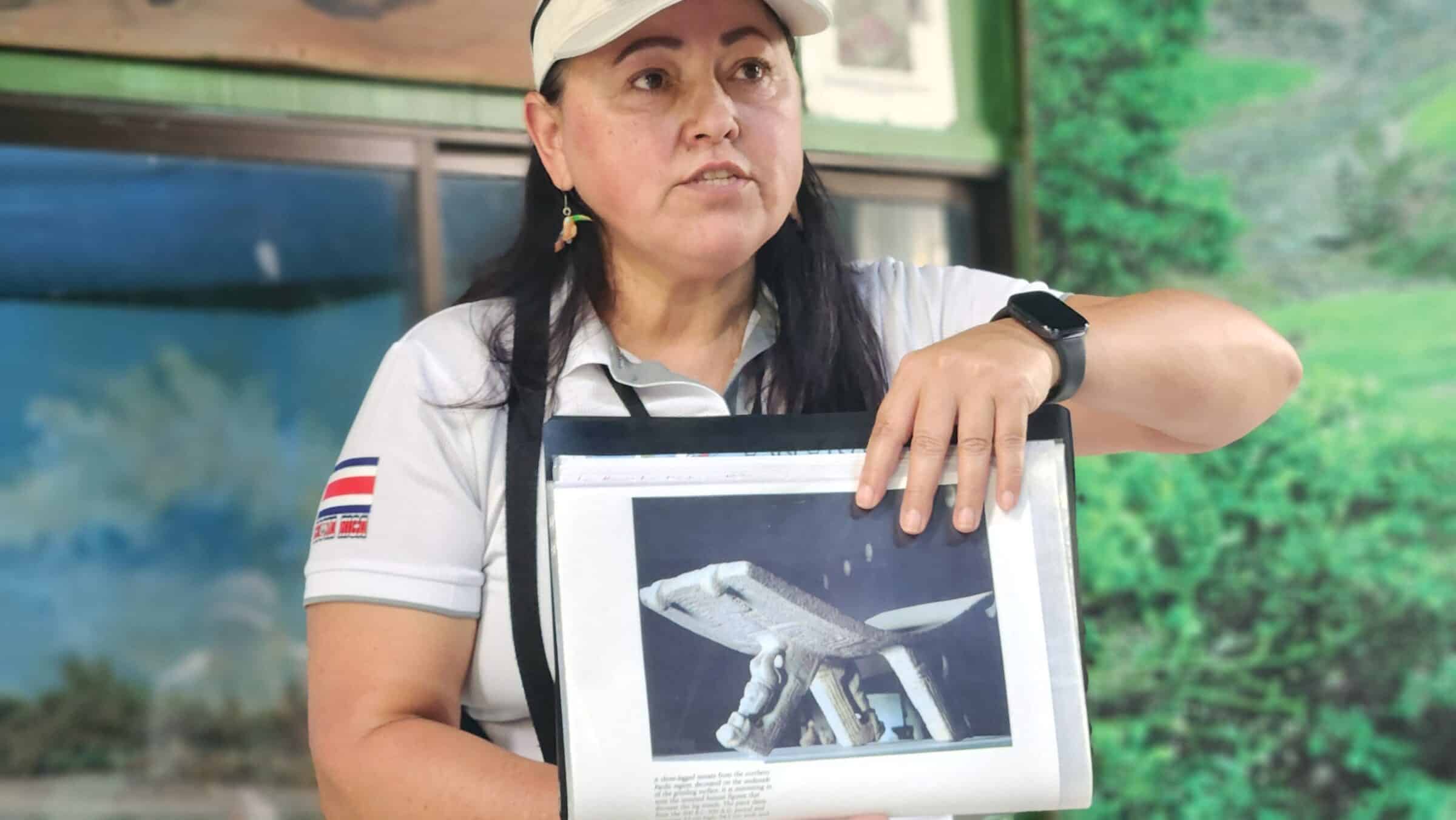
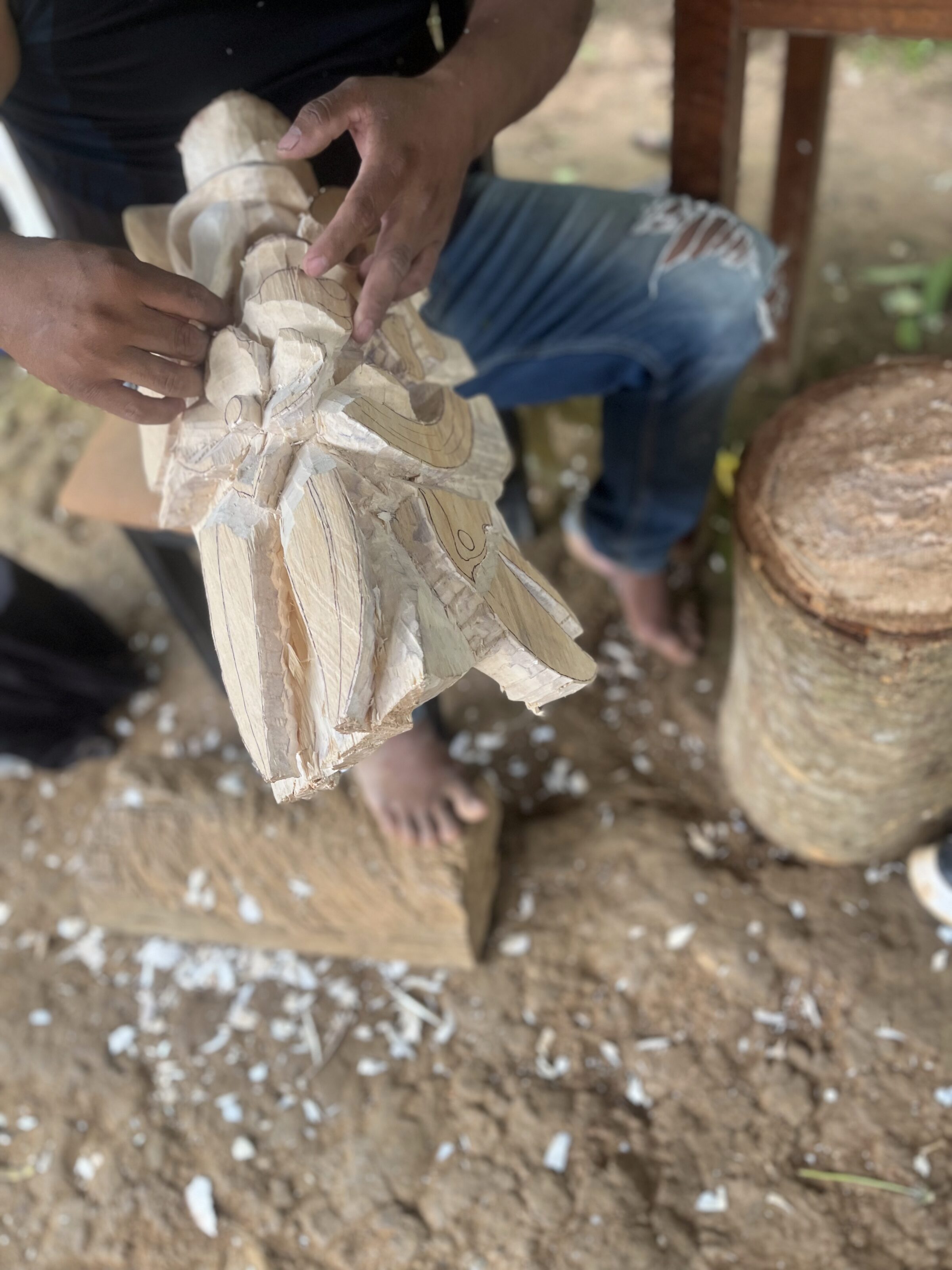
    Travel south to explore Indigenous territories, including opportunities to spend time with Brörán communities in Térraba and Brunka communities in Curré. Our hosts guide the learning through stories, food, local traditions, and walks through the places they call home. These exchanges introduce us to distinct histories and contemporary experiences, inviting us to understand territory and ecosystems as a source of identity, responsibility, and belonging.

    Explore how communities sustain cultural knowledge while shaping their futures. Conversations with local hosts connect land stewardship with self-determination, economic opportunity, and the challenges of development. Through activities shaped by community interests and availability, consider how traditional knowledge and contemporary initiatives inform one another, and how caring for land is connected to caring for community.

  • Week 3: Caribbean Coast & Mountains

    Travel to the North Caribbean and the community of San Francisco near Tortuguero, where rivers, wetlands, forests, and the sea shape daily life. Learn how community-organized tourism and local conservation initiatives connect livelihoods with care for surrounding ecosystems. Opportunities may include learning about research at Caño Palma Biological Station and participating in sea turtle protection or other conservation activities, depending on seasonal conditions and partner priorities.

    In our final days together we connect our experiences across homestays, farms, and conservation projects over our 3-weeks together. We identify the relationships and lessons you want to carry forward, and develop practical ideas for contributing to sustainability in your own community back home.

Social & Environmental Justice

Explore how conservation connects with rural livelihoods, Indigenous self-determination, leadership development, and relationships with territory. Consider who makes decisions about land and water, and learn how communities navigate tourism, agriculture, and economic change while sustaining cultural identity and caring for local ecosystems.

Learning Service

Learn alongside community partners engaged in upcycling, social entrepreneurship, sustainable agriculture, reforestation, and coastal conservation. Hands-on contributions respond to local priorities and seasonal needs, with an emphasis on understanding the work and building respectful relationships.

Homestay

Stay with families in a rural community for 5-10 days. Shared meals, household routines, and time with community members offer opportunities to practice Spanish, learn about local traditions, and experience the relationships that sustain daily life.

Language Study

Practice conversational Spanish through homestays, shared meals, and daily interactions with farmers, artisans, and community partners. Instructors support communication and introduce useful vocabulary along the way. Language learning is rooted in everyday experiences rather than formal study.

Rugged Travel

Travel between highland communities, tropical forests, and the Caribbean coast, adapting to shared lodging, rural homestays, and humid or rainy conditions across unpaved roads.

Trekking

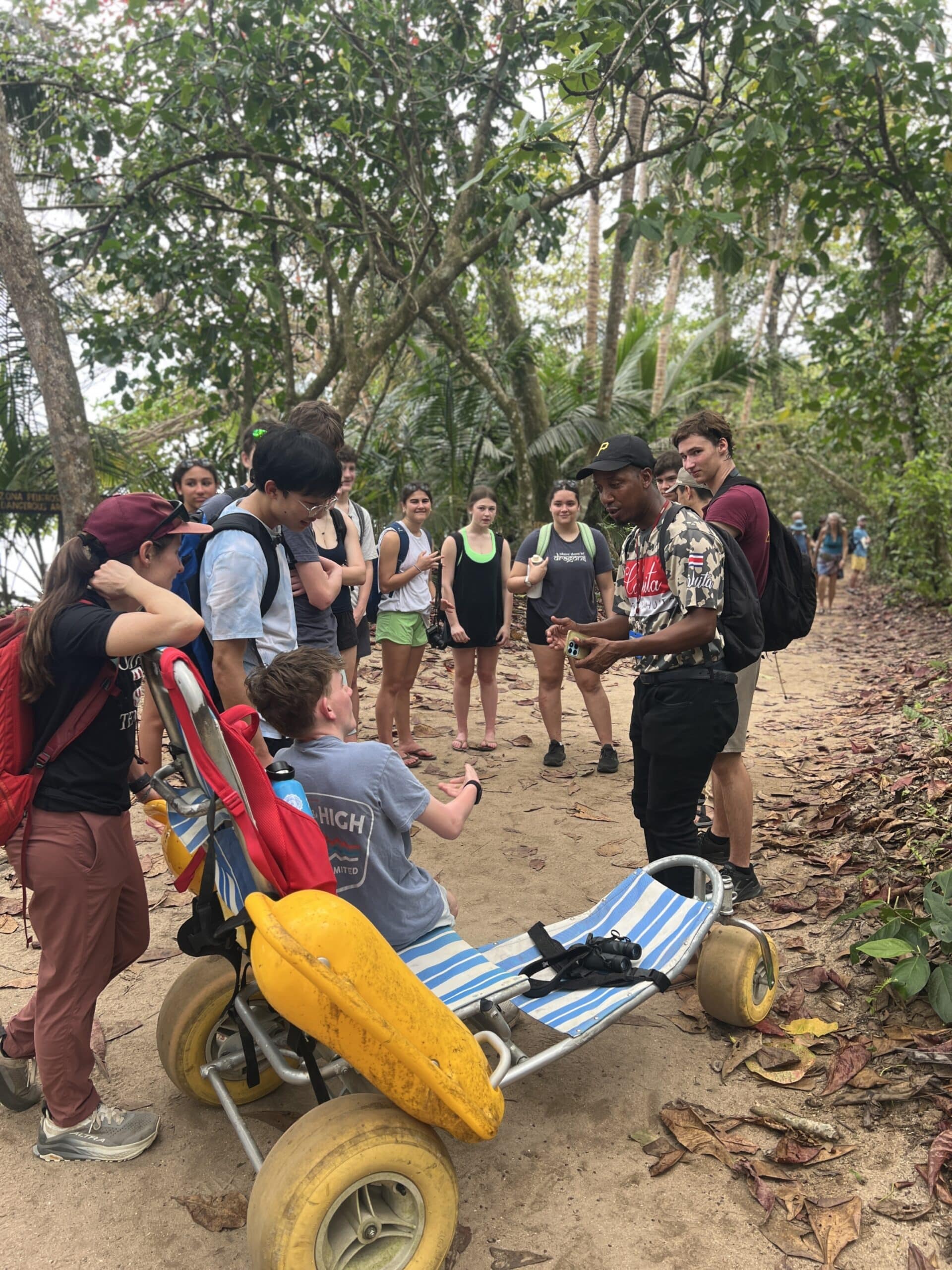
Take day hikes through tropical forests and rural landscapes, observing biodiversity and learning about local ecosystems with guides and community partners. Opportunity for short overnight trek depending on local conditions and itinerary.

Independent Study Project

Pursue a focused question or creative inquiry connected to sustainability and community life. Possible interests include cacao production, upcycled design, local food traditions, conservation, and more.

Religious & Spiritual Traditions

Explore how beliefs and traditions shape relationships with land, family, and community. Indigenous perspectives offer opportunities to consider connections between cultural identity and environmental stewardship, as well as the role of Christianity in Costa Rican society.

Optional College Credit

To deepen your experience abroad, you may choose to enroll in one optional college-level course during the program. For those who choose to enroll, they will be invoiced for an additional college credit fee on top of the program cost.

Students who take a college credit course will receive an official transcript from our university School of Record upon successful completion of the program. Taking advantage of the college credit option may make 529 plan funds eligible toward the entire program cost.

Learn About College Credits

Through our School of Record, you have the option to enroll in one of the following courses for college credit:

  • COLS 191: Self & Culture in Experiential Cohorts
  • CTE 191: Introduction to Leadership Development
See Course Offerings

Meet a Few of Our Instructors

Experienced educators. Community builders. Life mentors. With deep regional expertise and local language fluency, our instructors are skilled at providing context for the student experience and building cultural bridges. We collectively draw upon personal networks to create opportunities for connection and guide students along their journey.

Meet Our Instructors

Frequently Asked Questions

More Questions About Summer Travel?

See All Summer Travel FAQs

Let's Connect

Schedule a Call

Student Travel Stories

Visit the Yak Board