Spain

Combating Climate Change

A 5-Week Gap Year Program

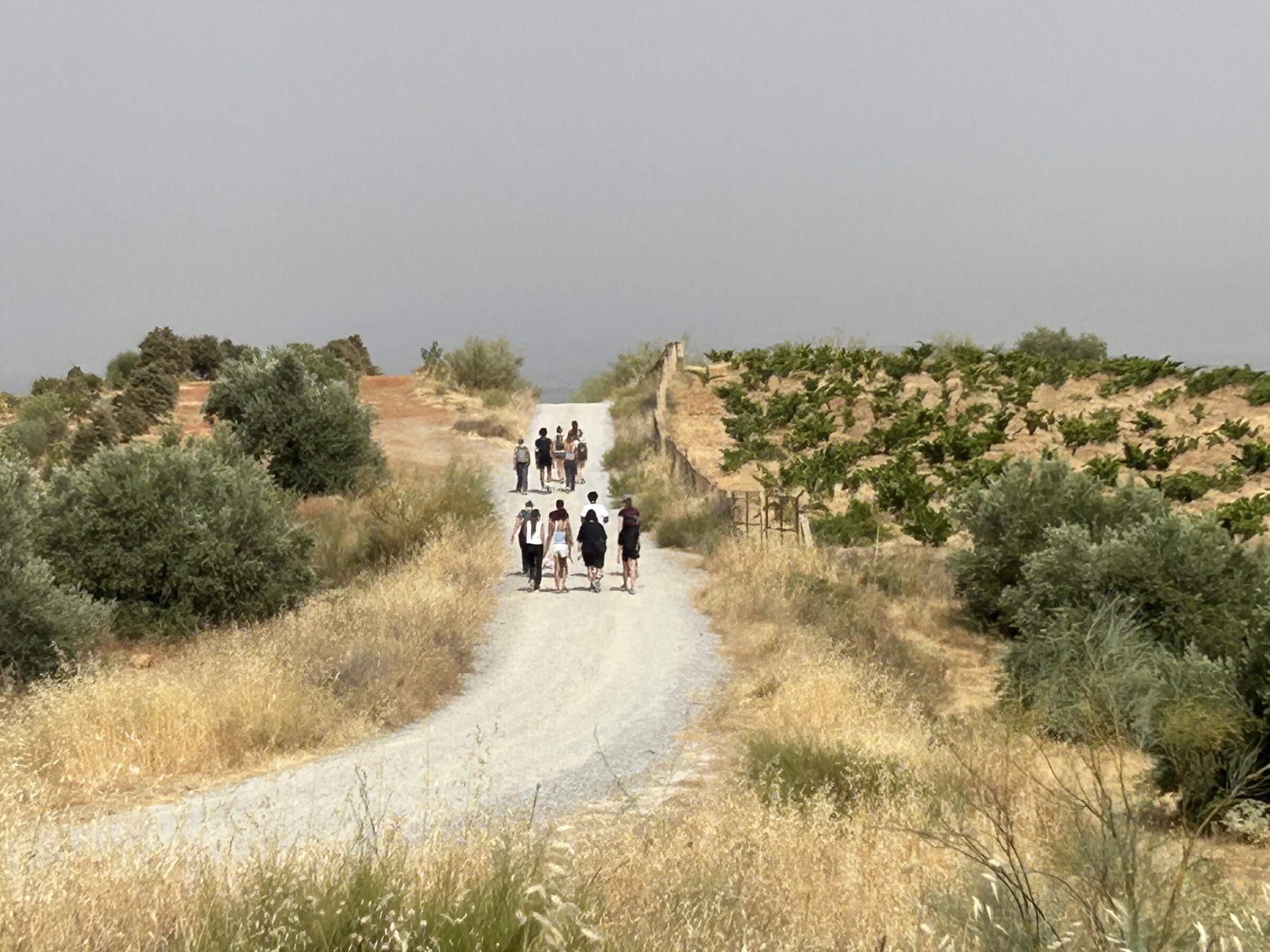
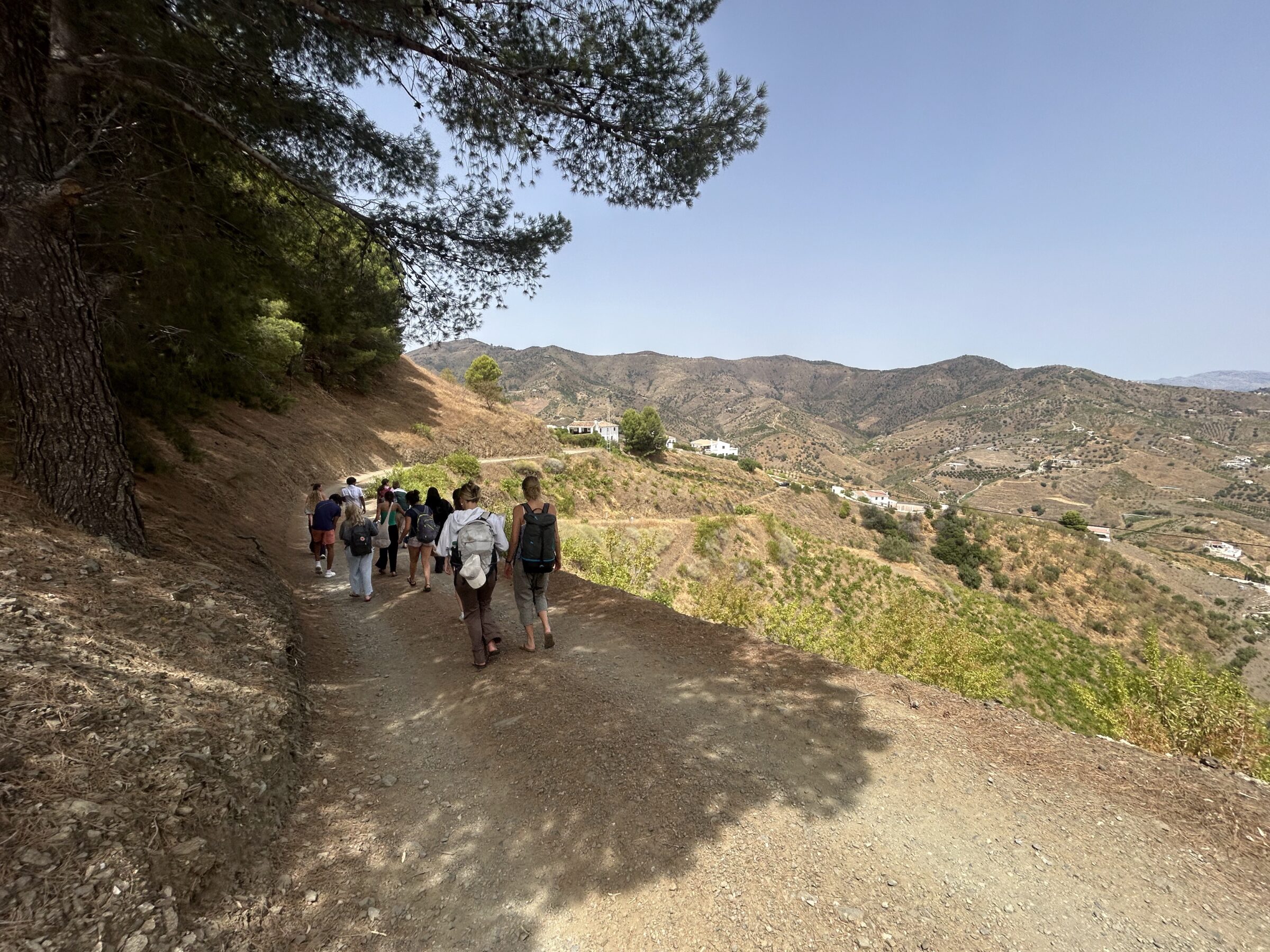
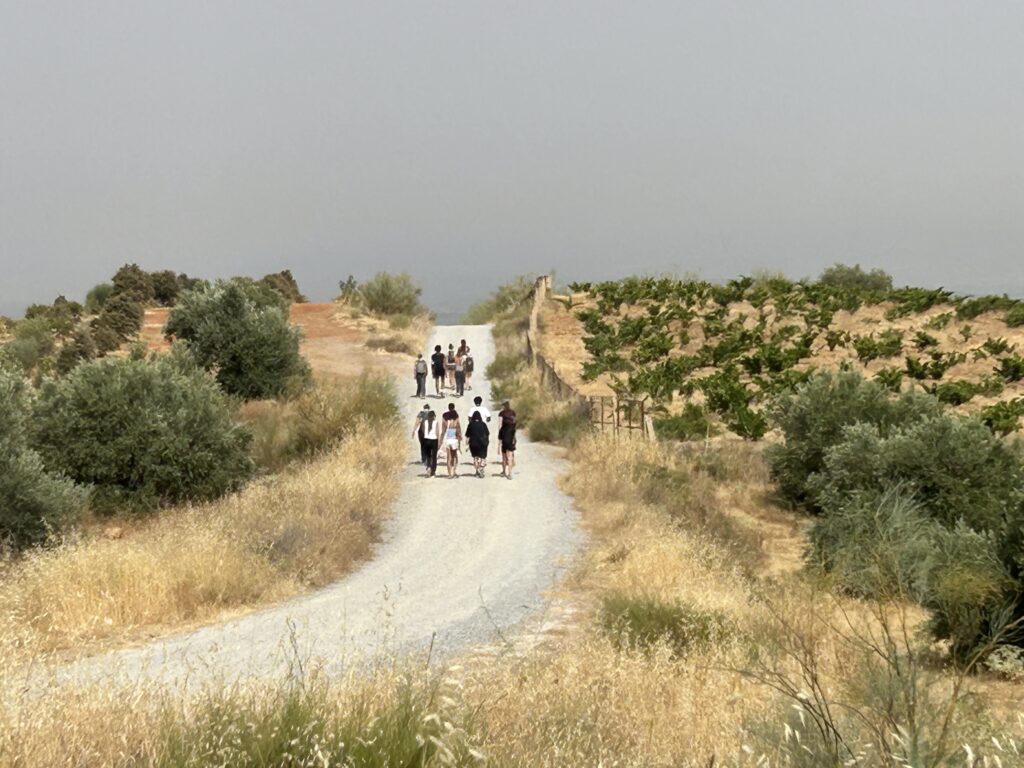
group walking on dirt road

35 Days

Explore southern Spain through Spanish language study, homestays, and hands-on environmental projects. Working alongside local communities, discover how people are responding to water scarcity, restoring ecosystems, and preserving agricultural traditions. For students interested in experiencing the diverse culture, community, and history of southern Spain while exploring grassroots solutions to global challenges.

From Mediterranean forests to hillside farms and cave-home villages, discover how communities in southern Spain are adapting to a changing climate.

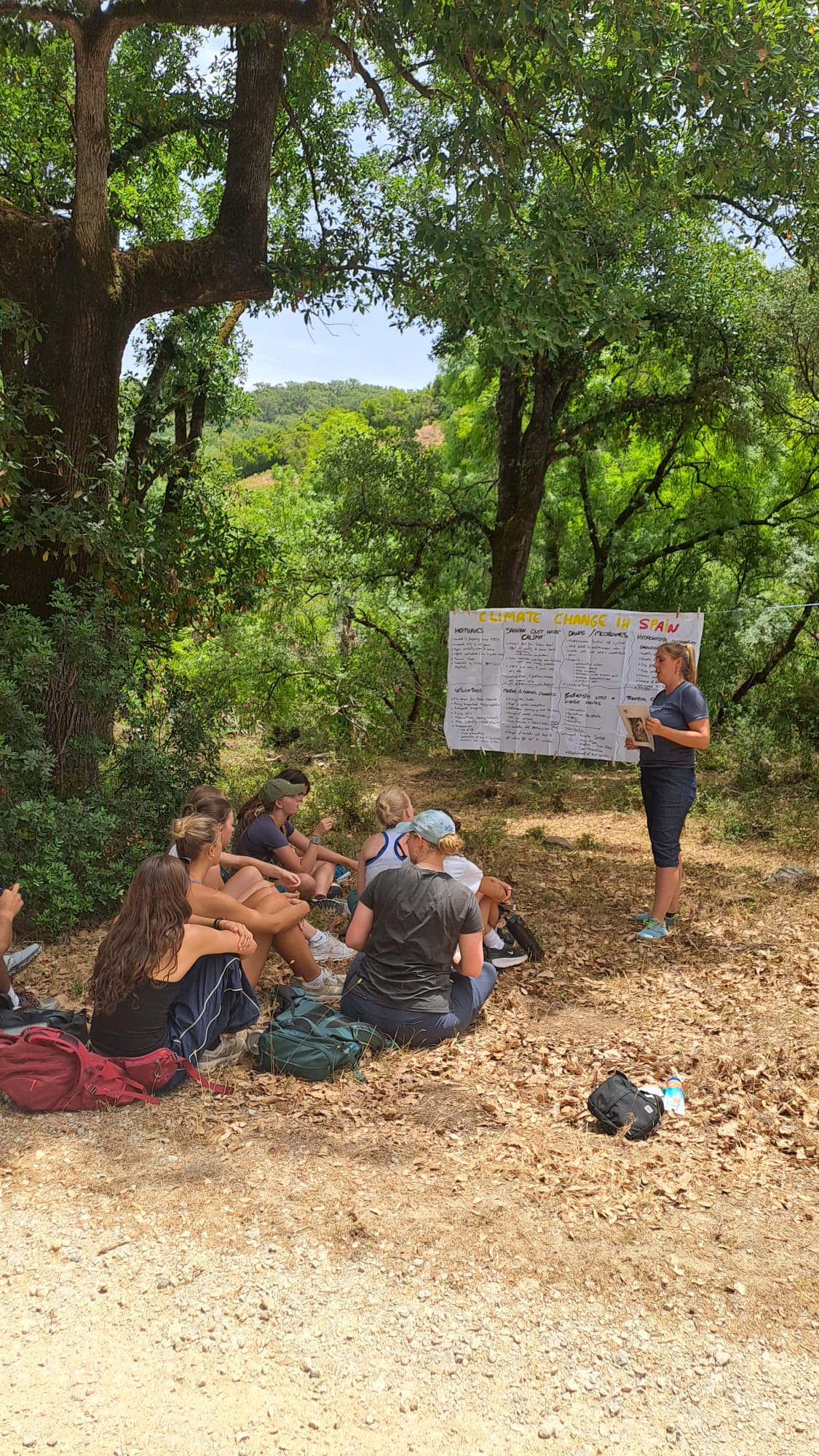
Andalusia’s landscapes tell a story of people shaping—and being shaped by—their surroundings. Through homestays, Spanish language study, and collaboration with local farmers, environmental organizations, and young people, explore the connections between culture, community, and climate. Along the way, consider how traditional knowledge and collective action can help us imagine a more sustainable future.
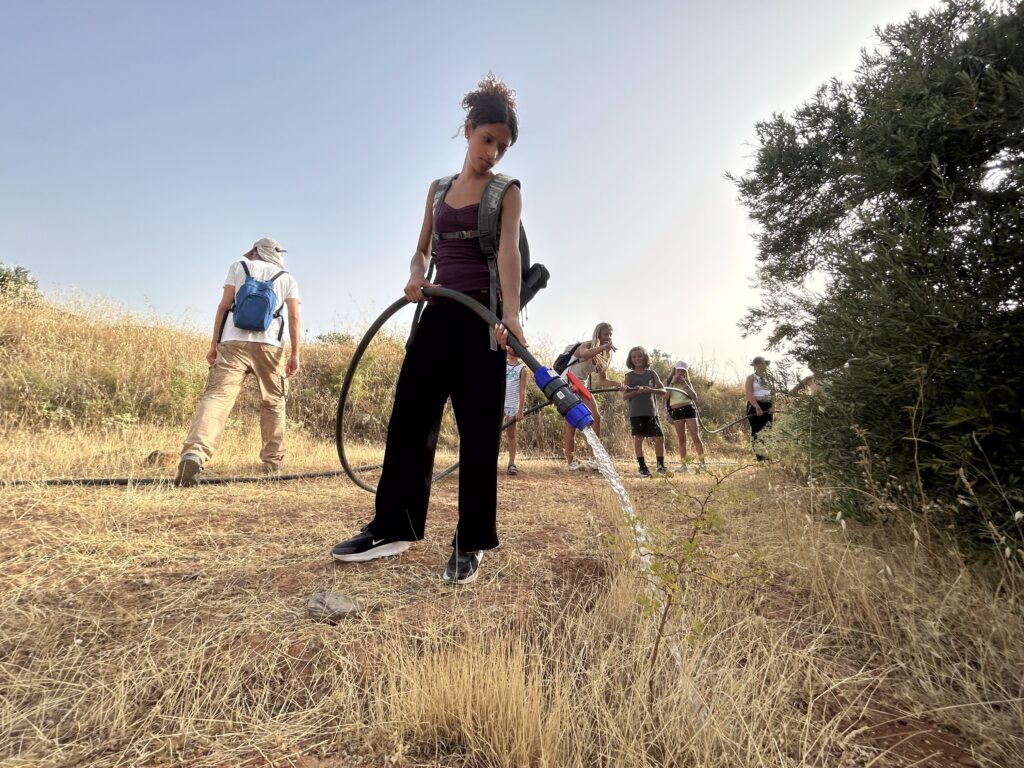
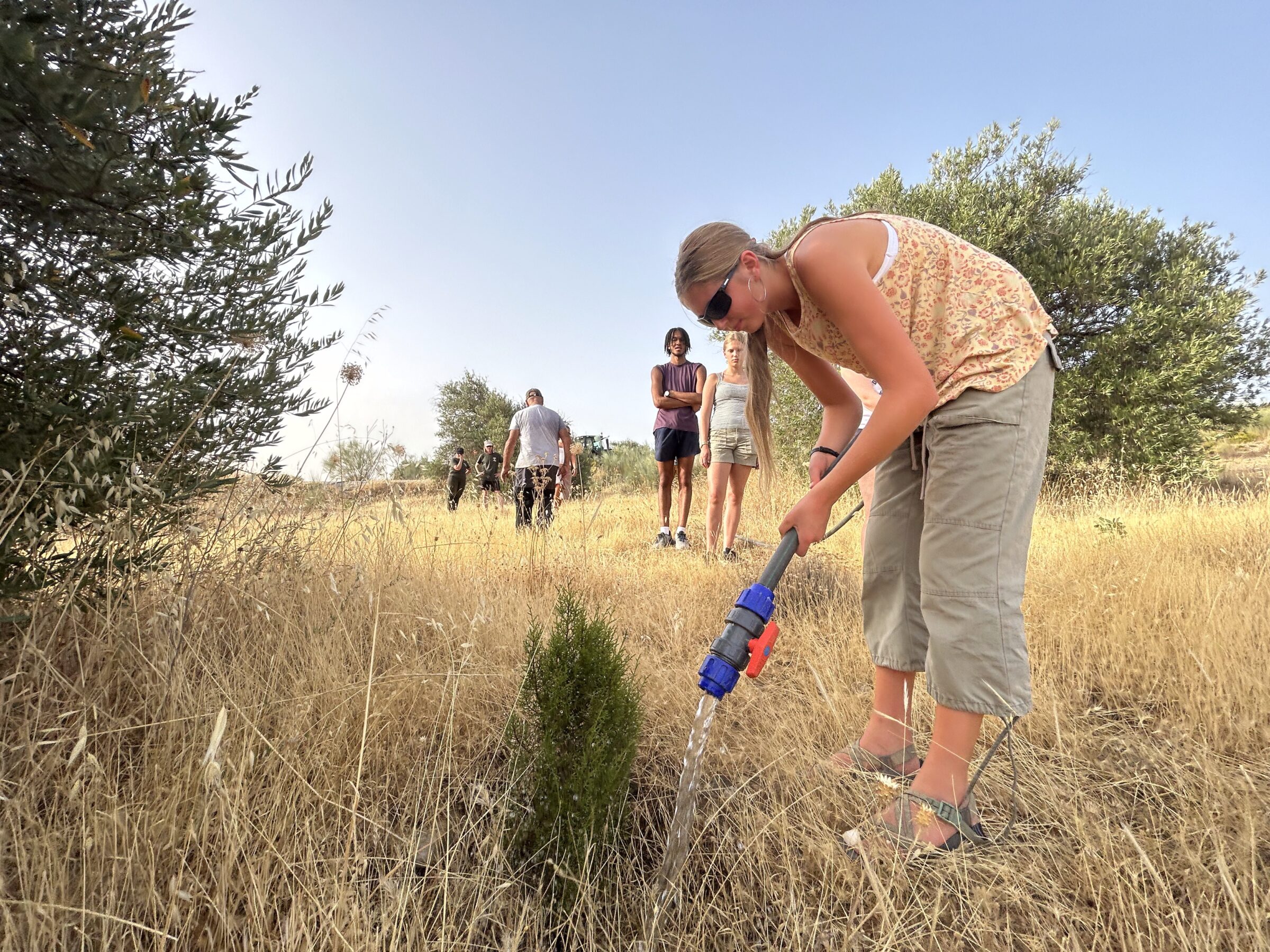
person with pack watering grasses

Highlights & Outcomes

Spanish Language & Cultural Immersion

Build conversational Spanish through structured lessons, daily life with a host family, and exchanges with local youth, farmers, and guides.

Climate Action & Sustainable Agriculture

Support ecosystem restoration and visit farming communities to explore how reforestation, agricultural choices, and water conservation shape local livelihoods and environments.

Landscapes, History & Sustainable Living

Explore Roman ruins, Mediterranean forests, and cave-home villages while discovering how communities have adapted to their environments across generations.

Leadership & Community Engagement

Collaborate with Spanish youth, navigate unfamiliar settings, and build practical leadership skills. 

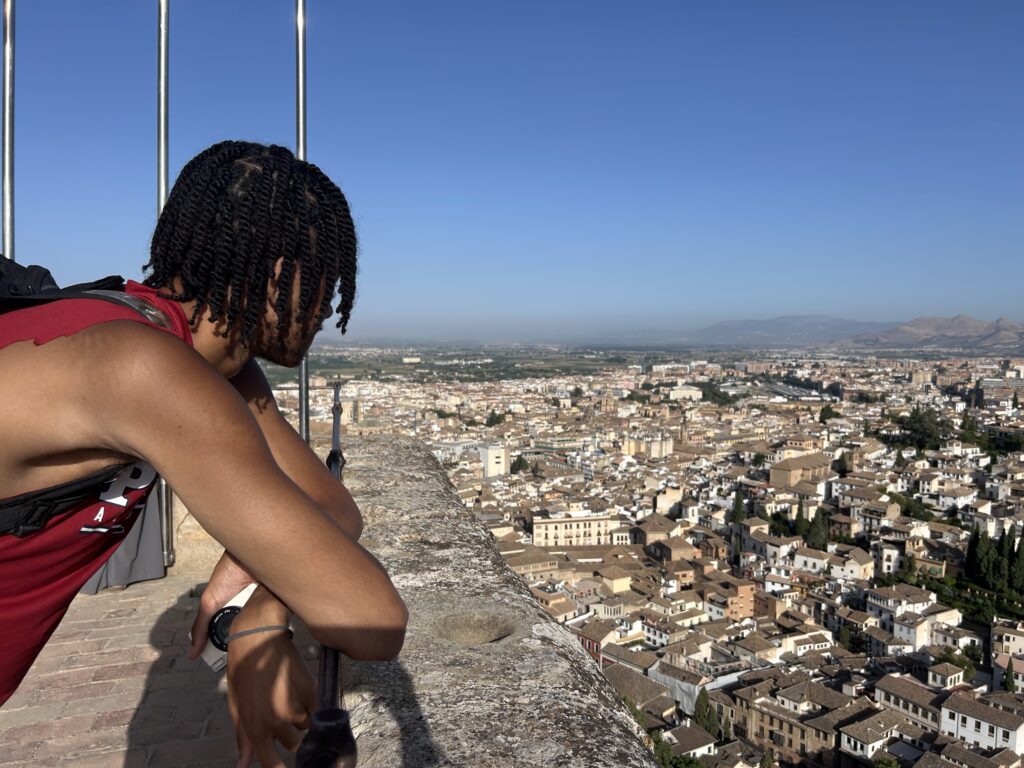
person leaning on wall looking at village
line drawing of Spain

Your Journey Starts Here

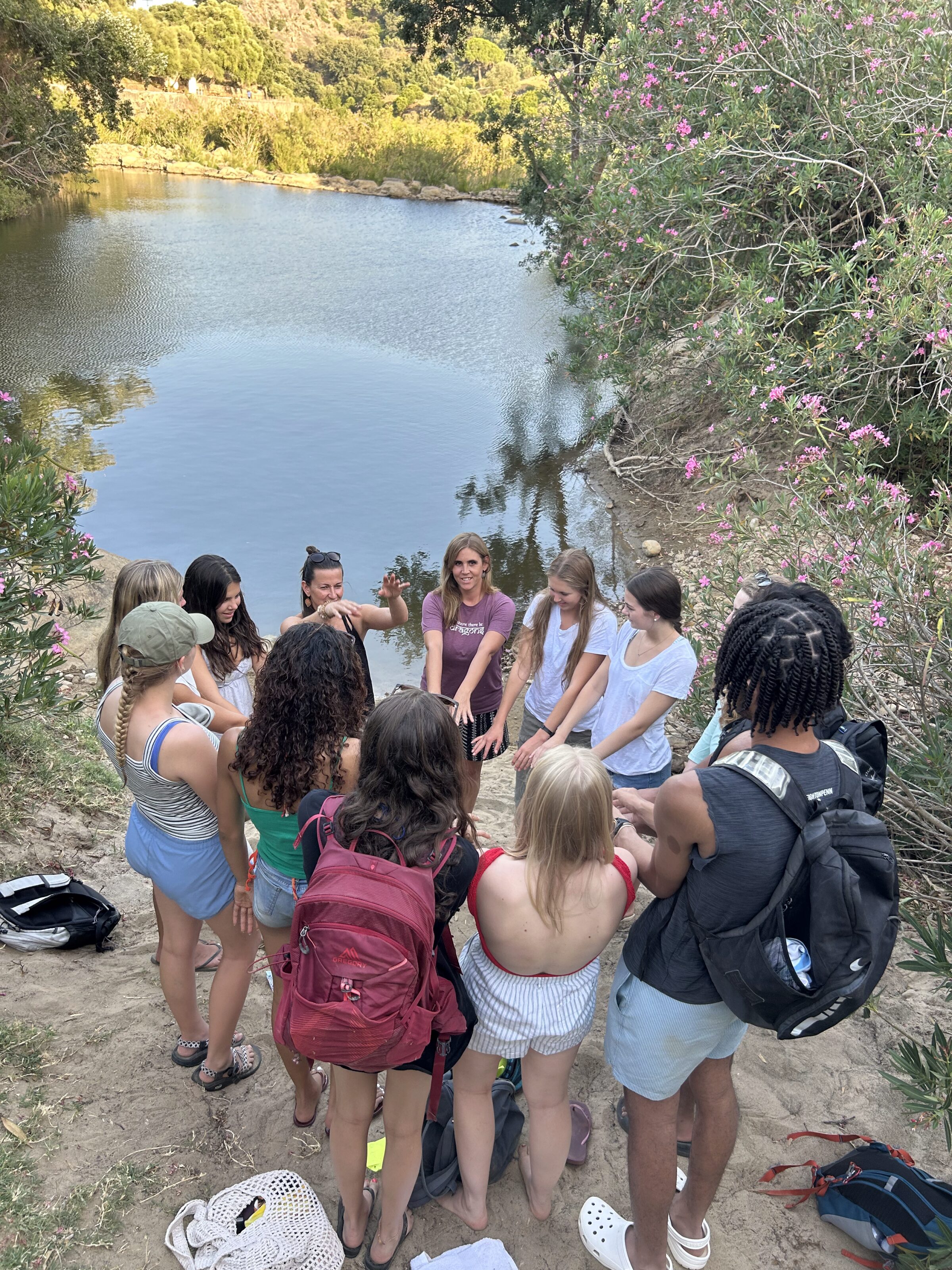
Our time together begins on the coast of Cádiz, where beaches, dunes, and Roman ruins offer a setting for orientation. We build our group culture, begin practicing Spanish, and explore the relationships between human history and the environment.

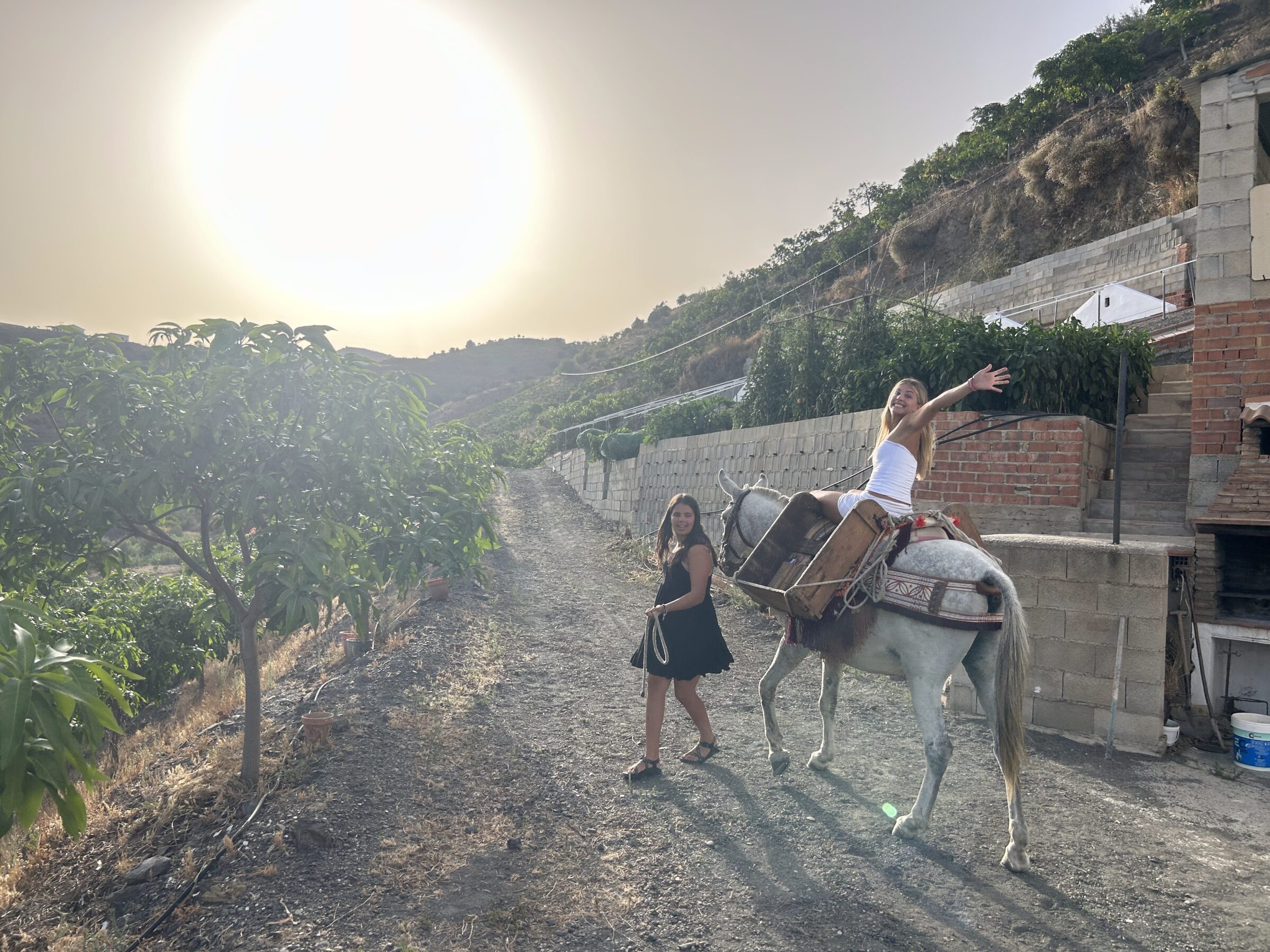
Traveling inland to Jimena de la Frontera, we hike through Mediterranean forests with local guides, learning about botany, fungi, and traditional cork harvesting. In El Borge and the Axarquía region, conversations with farmers introduce us to grape and raisin production, water scarcity, and the challenges of sustaining agricultural traditions amid changing environmental and economic conditions.

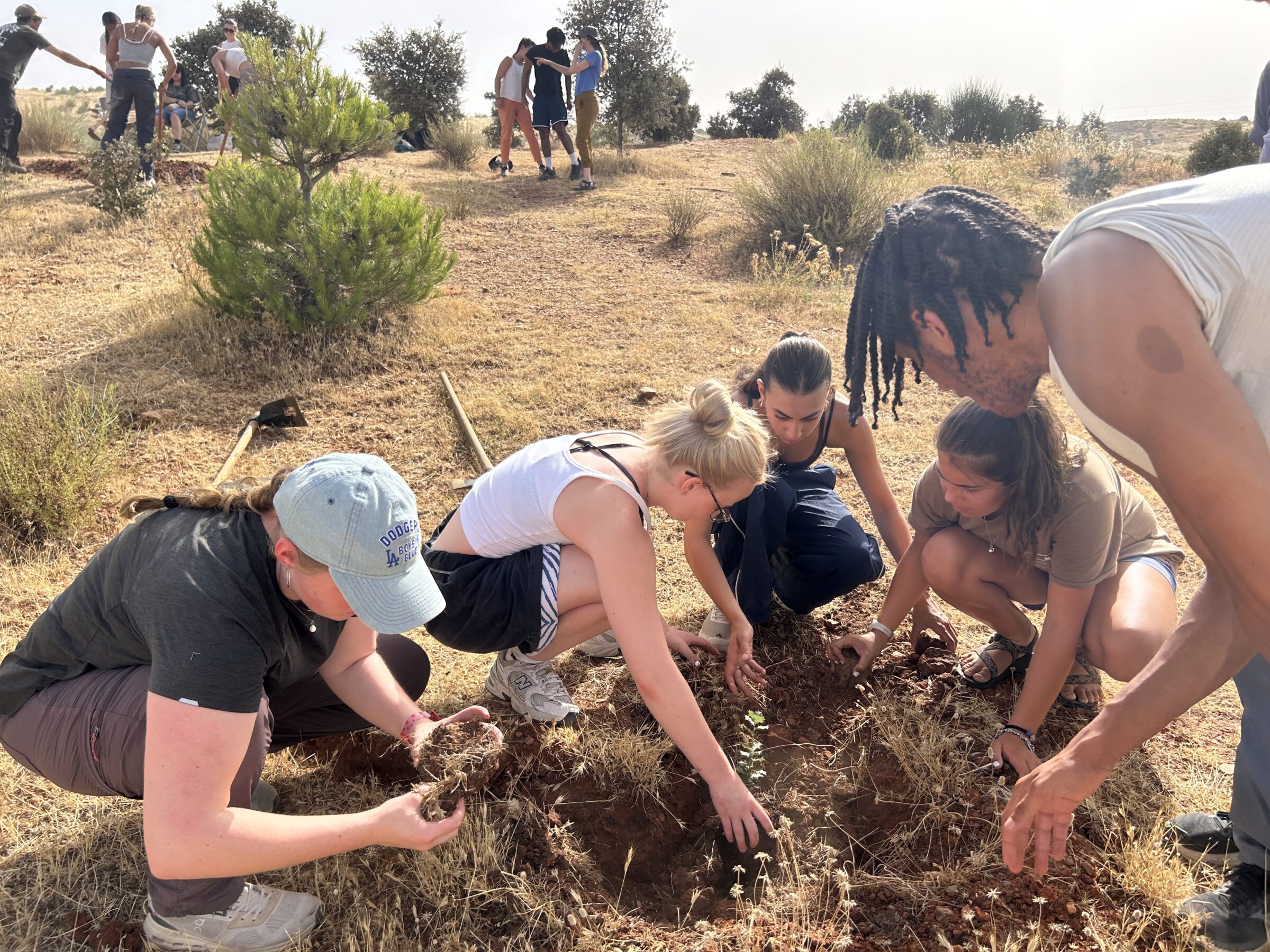
Next, we settle into homestays in Huétor Vega, outside Granada. Shared meals, Spanish lessons, and exchanges with local youth bring us into the rhythms of daily life. Working alongside environmental organizations, we explore native tree nurseries, reforestation, and water management while considering how communities restore degraded landscapes.

In the Granada Geopark, we encounter traditional cave-home communities and examine how architecture can inform approaches to sustainable living. Our journey concludes by the Mediterranean in Nerja, where we reflect on our experiences and consider how to apply our learning at home. Throughout these five weeks, language study and community engagement help us connect environmental questions with the people whose lives they shape, deepening our understanding of climate action and our capacity to contribute to change in our own communities.

View Itinerary

Spain

Itinerary Example
The following is a sample itinerary based on past courses; actual itineraries are dynamic and may vary.
  • Week 1: Bolonia & Cádiz — Orientation, Coastlines & Culture

    Begin on the coast near Tarifa, where dunes, pine forests, and the Roman ruins of Baelo Claudia introduce us to Andalusia’s cultural and natural history. Our opening days focus on building community, establishing health and safety practices, and beginning Spanish language study. Coastal walks and group discussions invite us to observe how human activity shapes local ecosystems and frame the environmental questions we will explore throughout the program. Toward the end of the week, we travel inland to Jimena de la Frontera.

  • Week 2: Jimena & the Axarquía — Forests, Farming & Water

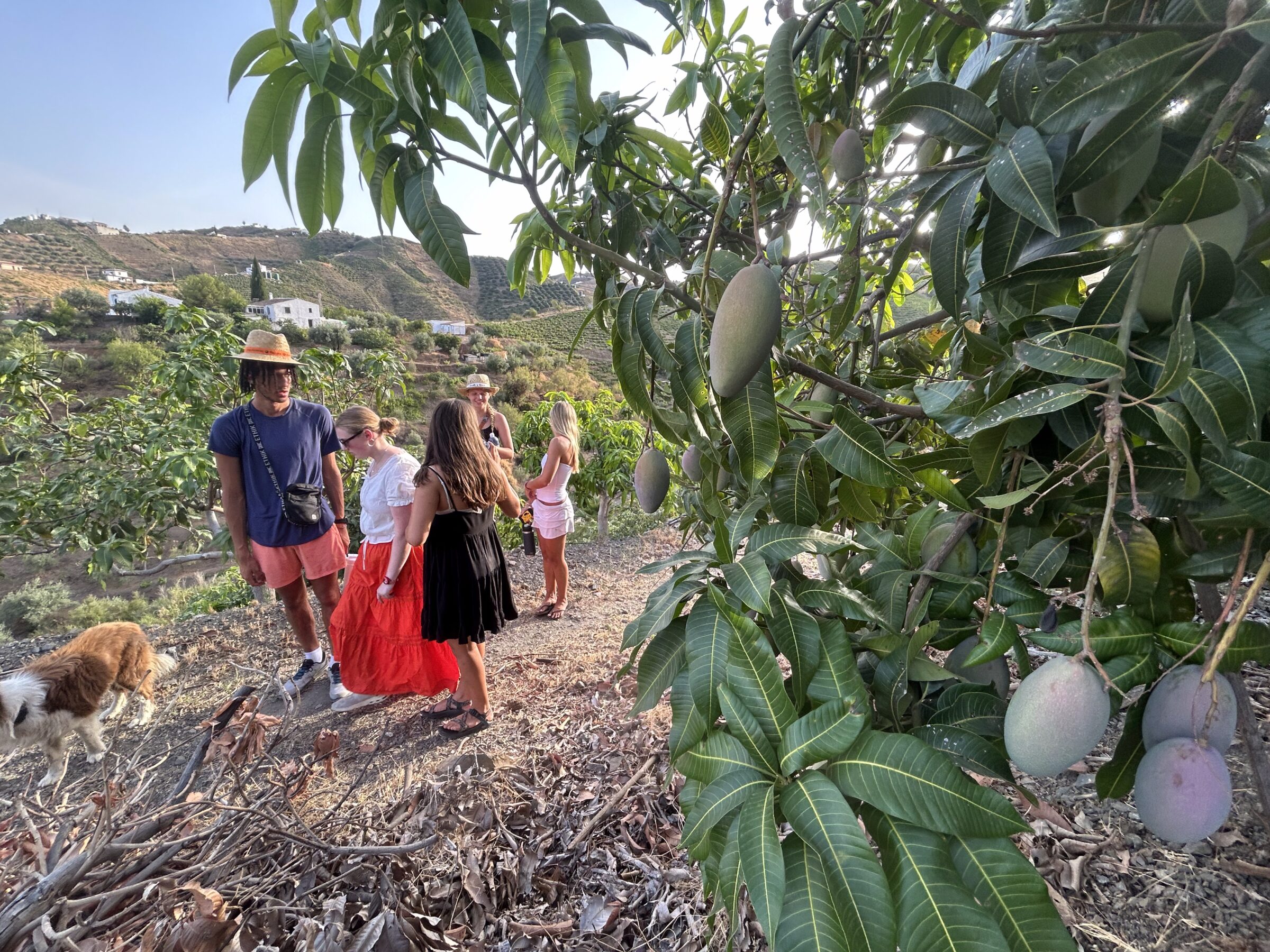
    Explore the Mediterranean forests around Jimena with local guides, learning about native plants, fungi, and the relationships that sustain biodiversity. Discover how traditional cork harvesting connects forest conservation with local livelihoods, and practice Spanish through conversations and activities rooted in the surrounding landscape. We then travel to El Borge in the Axarquía, where farm visits introduce us to the region’s grape and raisin traditions and the pressures of water scarcity and expanding tropical fruit cultivation.

  • Week 3: Huétor Vega & Granada — Homestays, Spanish & Community Action

    After completing our time in the Axarquía, settle into homestays in Huétor Vega and experience daily life with local families. Structured Spanish lessons complement conversations over meals and activities with local youth. Alongside environmental partners, explore how communities respond to land degradation through native tree nurseries, reforestation, and water conservation. These shared experiences offer opportunities to strengthen language skills while learning how environmental challenges affect the people and places around us.

  • Week 4: Granada & the Geopark — Restoration & Sustainable Living

    Continue our community engagement and exploration of Granada’s cultural heritage, connecting contemporary environmental work with the region’s agricultural history and traditional irrigation practices. Then travel into the Granada Geopark, where striking geological formations and cave-home villages offer a different perspective on climate adaptation. Learn how underground dwellings moderate indoor temperatures and consider what traditional architecture, local materials, and knowledge of the landscape can teach us about sustainable living.

  • Week 5: The Geopark & Nerja — Reflection & Bringing Learning Home

    Complete our exploration of the Geopark before traveling to Nerja on the Mediterranean coast. During our closing days, we reflect on the relationships we have built, the questions we have explored, and the ways we have grown. Through Dragons transference curriculum, connect lessons from farming communities, restoration projects, and daily life in Spain with opportunities at home. We close by identifying practical ways to bring home our Spanish language skills, environmental learning, and commitment to community engagement after our travels together. 

Learning Service

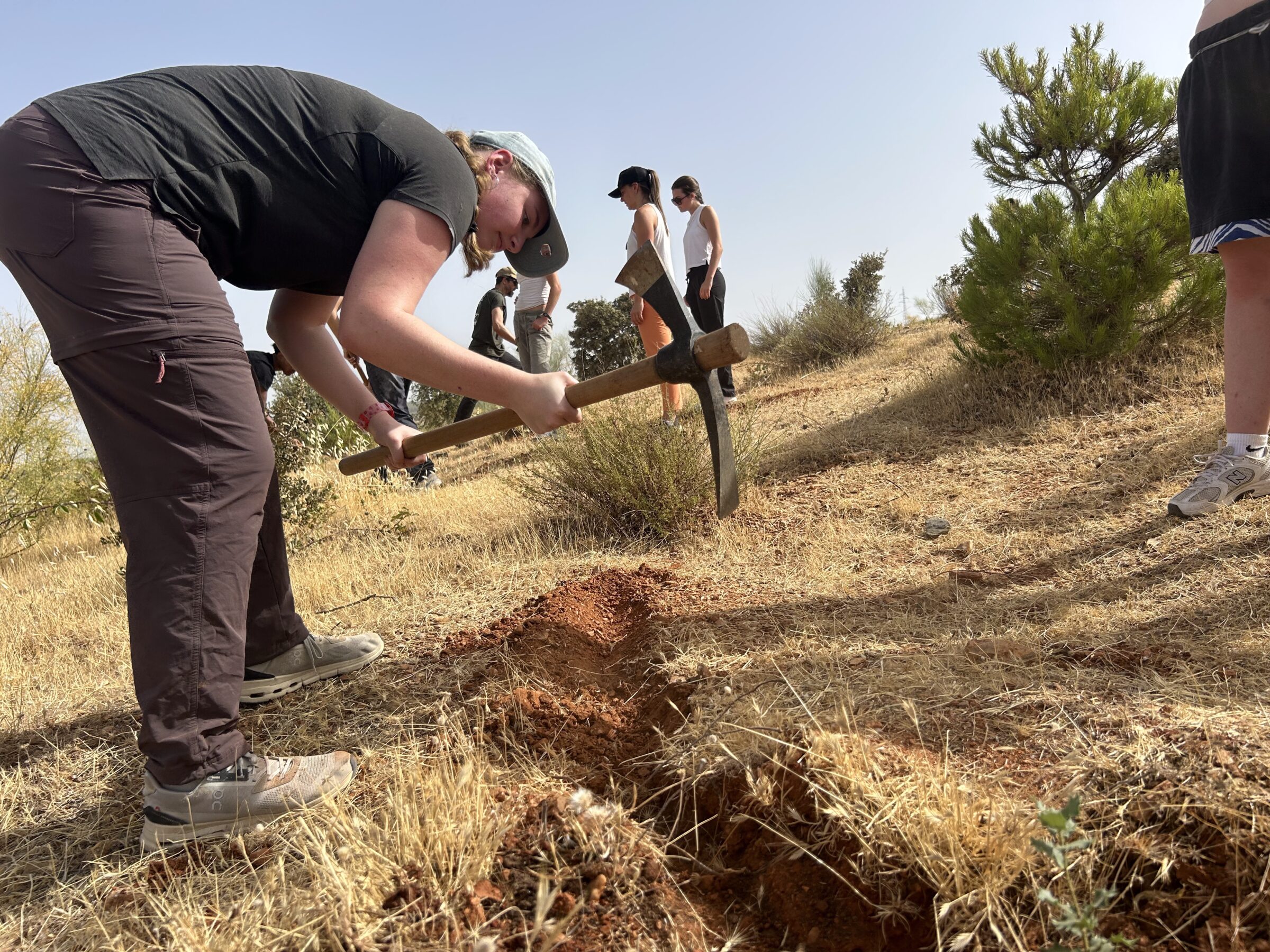
Work alongside local environmental partners to support ecosystem restoration near Granada. Activities may include caring for native trees in nurseries, participating in reforestation efforts, and collaborating with Spanish youth on environmental education. Community priorities and seasonal conditions guide our contributions.

Social & Environmental Justice

Examine how water scarcity, land degradation, and changing agricultural practices affect communities across Andalusia. Through conversations with farmers and environmental organizations, explore the connections between access to resources, local livelihoods, cultural heritage, and ecological health.

Homestay

Spend approximately one week with a host family in Huétor Vega, outside Granada. Shared meals, everyday routines, and conversations offer opportunities to build relationships, practice Spanish, and experience life in southern Spain.

Language Study

Develop Spanish skills through structured lessons, with a particular focus during our stay in Huétor Vega. Throughout the journey, practice communicating with host families, local guides, farmers, and Spanish youth, connecting classroom learning with everyday conversation.

Religious & Spiritual Traditions

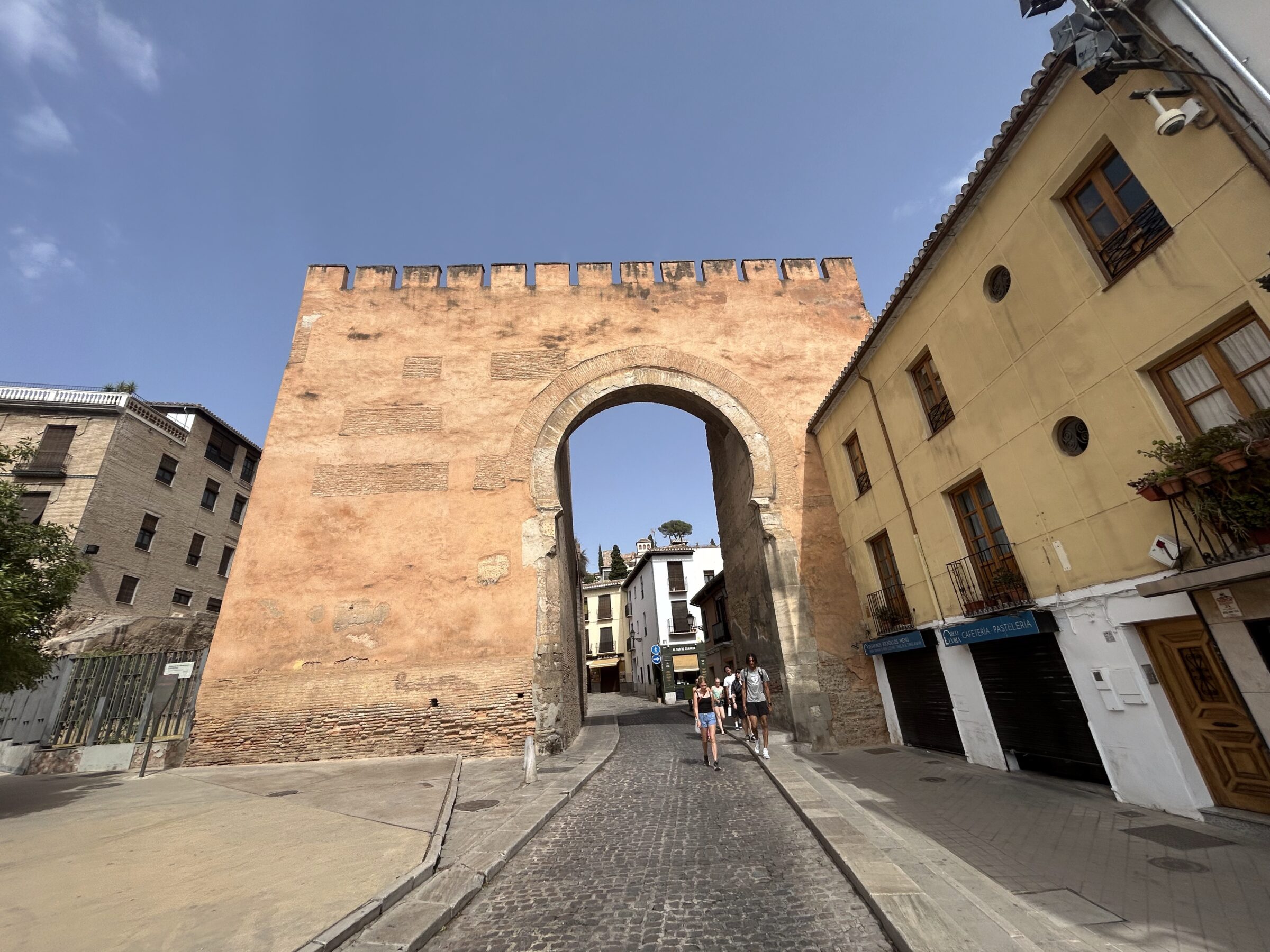
Explore how Muslim, Christian, and Jewish histories have shaped Andalusia’s architecture, communities, and cultural identity. Visits to historical sites provide context for examining religious influence, cultural exchange, and the legacies of conquest and coexistence.

Trekking

Take day hikes through Mediterranean forests, coastal landscapes, and rural areas of Andalusia. Walking with local guides offers opportunities to learn about plants, fungi, biodiversity, and the relationships between communities and their surroundings.

Independent Study Project

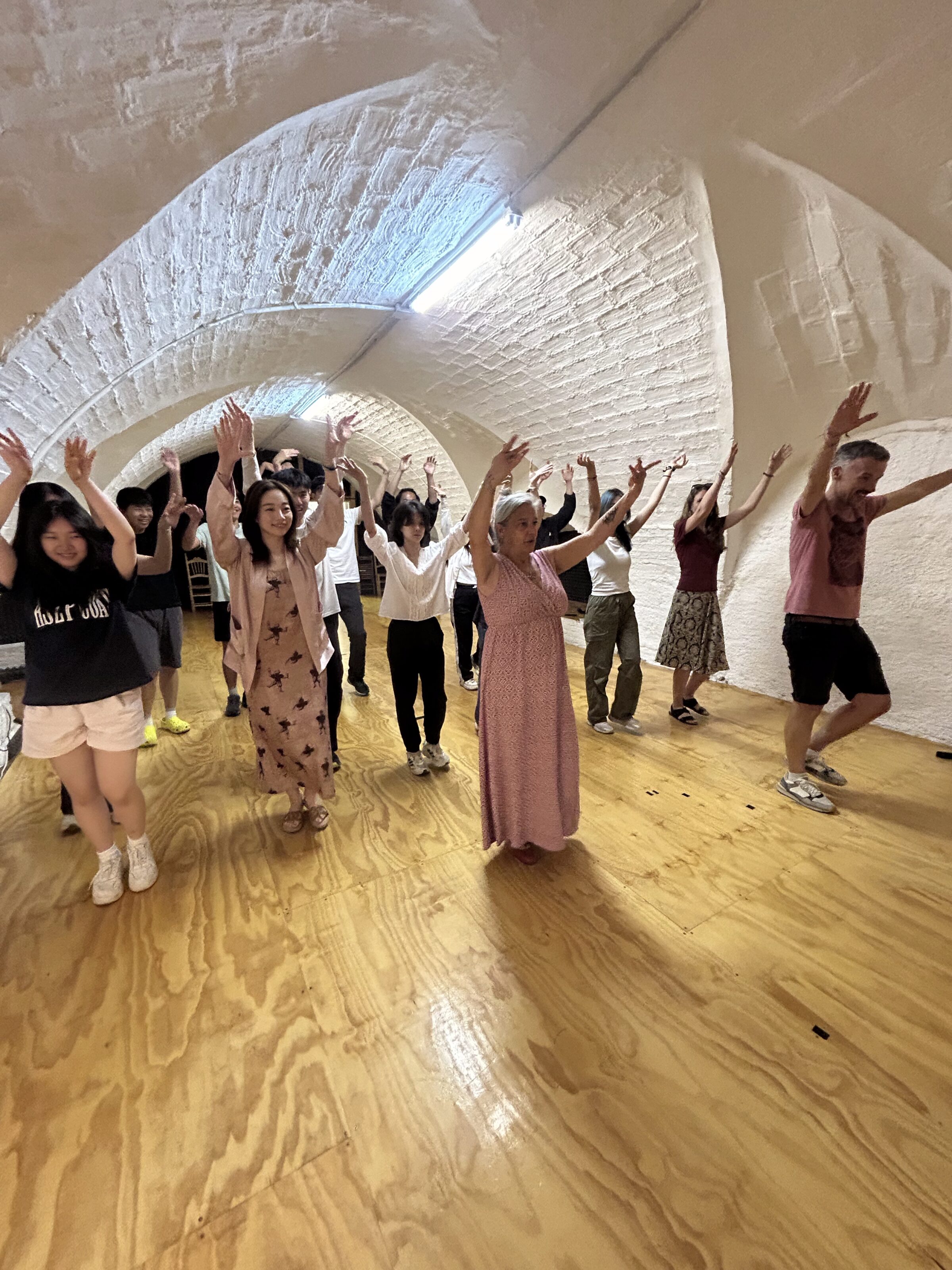
Pursue a personal interest through guided inquiry and connections with local people. Possible topics include sustainable agriculture, water conservation, ecology, and climate adaptation, as well as more hands-on traditions such as flamenco or ceramics.

Rugged Travel

Travel through smaller towns, agricultural communities, and varied landscapes beyond Spain’s major tourist centers. Adapt to shared accommodations, homestay routines, and active days outdoors.

Meet a Few of Our Instructors

Experienced educators. Community builders. Life mentors. With deep regional expertise and local language fluency, our instructors are skilled at providing context for the student experience and building cultural bridges. We collectively draw upon personal networks to create opportunities for connection and guide students along their journey.

Meet Our Instructors

Frequently Asked Questions

More Questions About Summer Travel?

See All Summer Travel FAQs

Let's Connect

Schedule a Call

Request a Catalog

Dive Deeper