Southeast Asia

The Good Life

A 8-Week Gap Year Program

Summer Travel Abroad Mekong River

56 Days

Explore what it means to live a good life through immersive travel, meaningful community engagement, and Buddhist practices across Thailand and Cambodia. Develop greater self-awareness, intercultural understanding, and leadership skills while exploring how we cultivate personal happiness, contribute to our communities, and care for the world around us.

This program is available beginning Fall 2027.

What does it mean to live a good life? How do our relationships, surroundings, and mindset shape our own well-being and that of our communities?

Journeying through the diverse landscapes and cultures of Thailand and Cambodia, students explore these questions through Buddhist teachings, community exchanges, mindfulness practice, and engagement with local ecosystems. From quiet monasteries and rural villages to bustling cities and ancient temples, this immersive semester offers opportunities to explore how people understand and practice well-being, sustainability, and collective responsibility. Along the way, students deepen their self-awareness, build connections across cultures, and consider what living a “good life” might mean in their own communities back home.

Thailand Travel Abroad

Highlights & Outcomes

Explore the Art of Living Well

Examine diverse perspectives on happiness, purpose, and well-being through Buddhist teachings, community engagement, and personal reflection.

Build Meaningful Community Connections

Experience daily life through rural homestays and community stays while exploring the meaning of belonging and communal responsibility.

Practice Sustainable Living

Learn from grassroots initiatives and local conservation efforts about environmental stewardship, sustainable livelihoods, and our relationship with the natural world.

Cultivate Leadership and Mindfulness

Develop independence, resilience, and intercultural competencies through immersive cultural experiences, hands-on learning, student-led expeditions and intentional reflection.

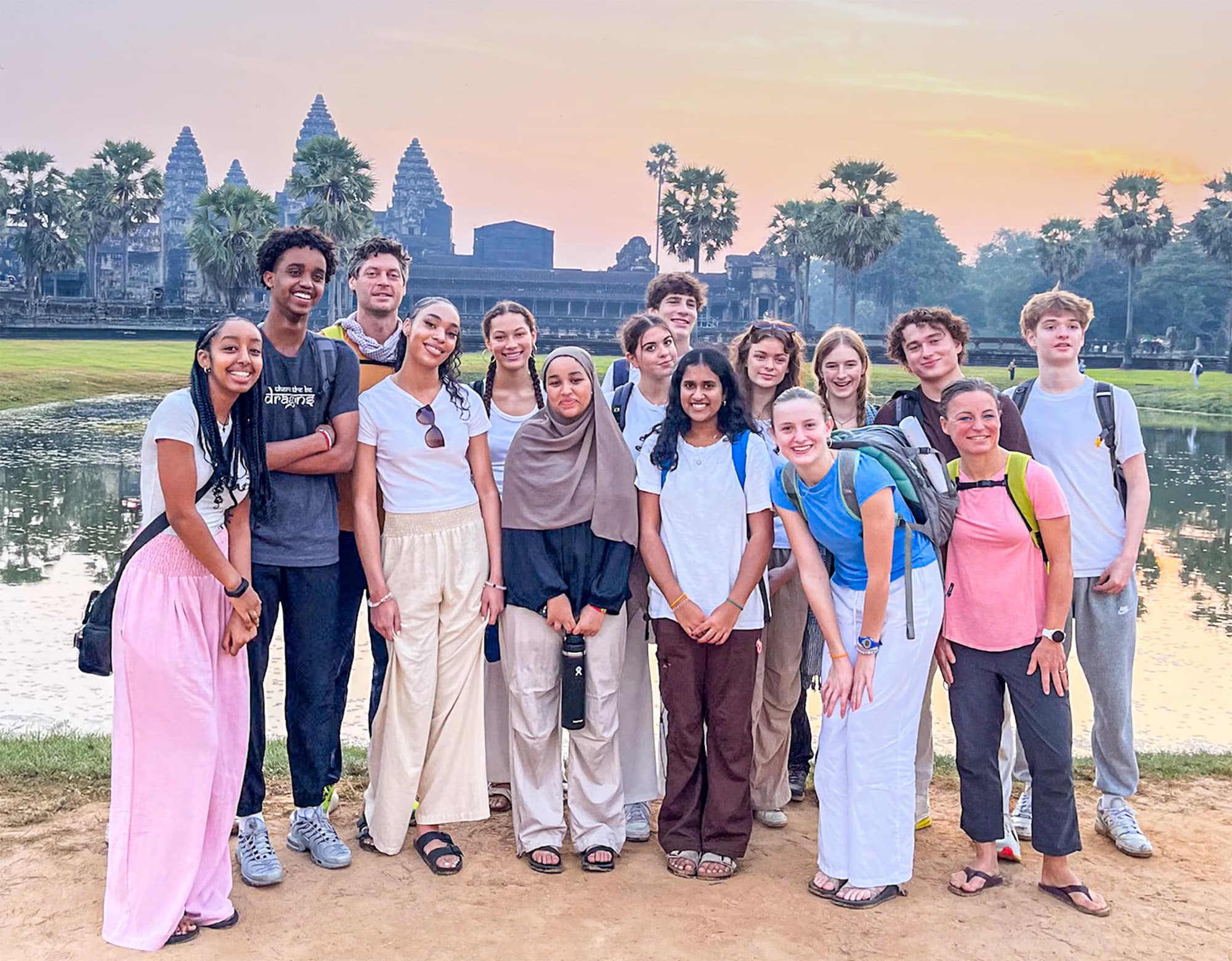
Siem Reap at dusk
white line drawing map of Cambodia and Thailand

Your Journey Starts Here

Our journey begins in Sukhothai, the ancient capital of Thailand, where we build our traveling community and begin exploring what it means to live a good life. Traveling through the mountains and rural communities of northern Thailand, we learn from local environmental conservationists, experience sustainable living, and immerse ourselves in Buddhist teachings and meditation. Through homestays, language learning, and Independent Study Projects, we examine how different communities cultivate happiness, belonging, and a sense of purpose.

Continuing into Cambodia, we confront the country’s complex history in Phnom Penh while learning from young entrepreneurs and activists shaping its future. In rural Kirirom, we deepen our connections with our host community and explore community resilience, environmental stewardship, and collective well-being. As we travel toward the ancient temples of Angkor, student-led expedition encourages independence and leadership.  Through reflection, shared experiences, and encounters with diverse ways of life, we return home with a deeper understanding of ourselves, our responsibilities to others, and what it means to contribute to a changing world.

Itinerary Example

Southeast Asia Semester

Itinerary Example
The following is a sample itinerary based on past courses; actual itineraries are dynamic and may vary.
  • Weeks 1-2

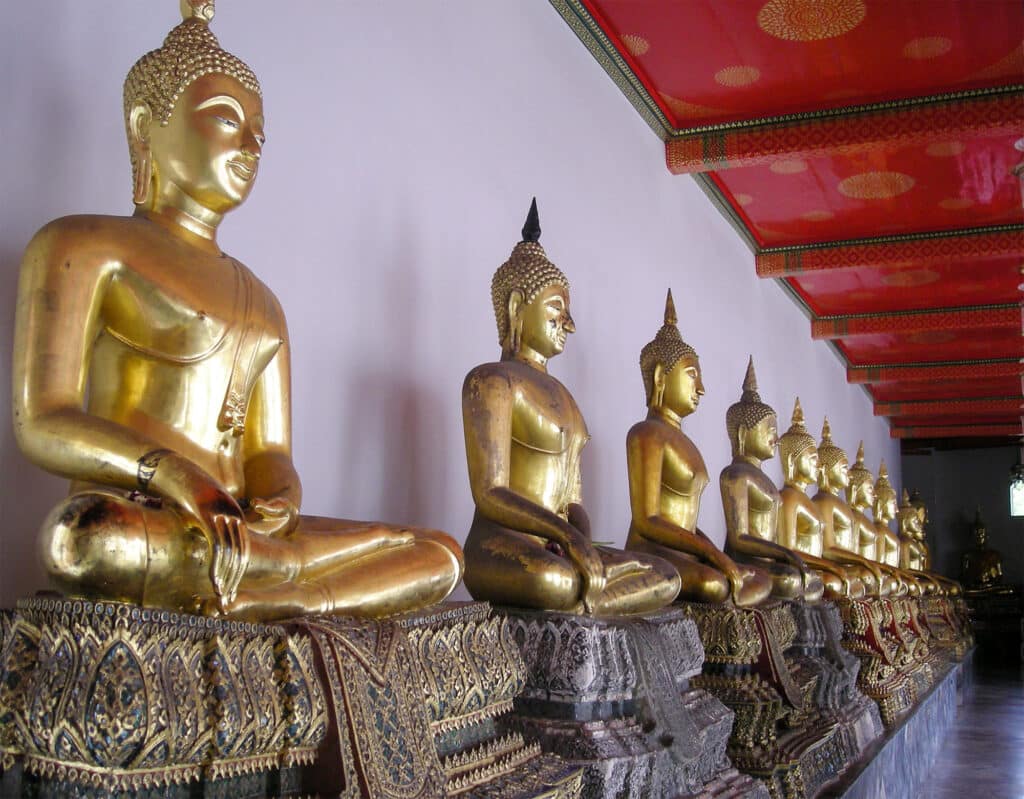
    row of bronze buddhist statues along wall
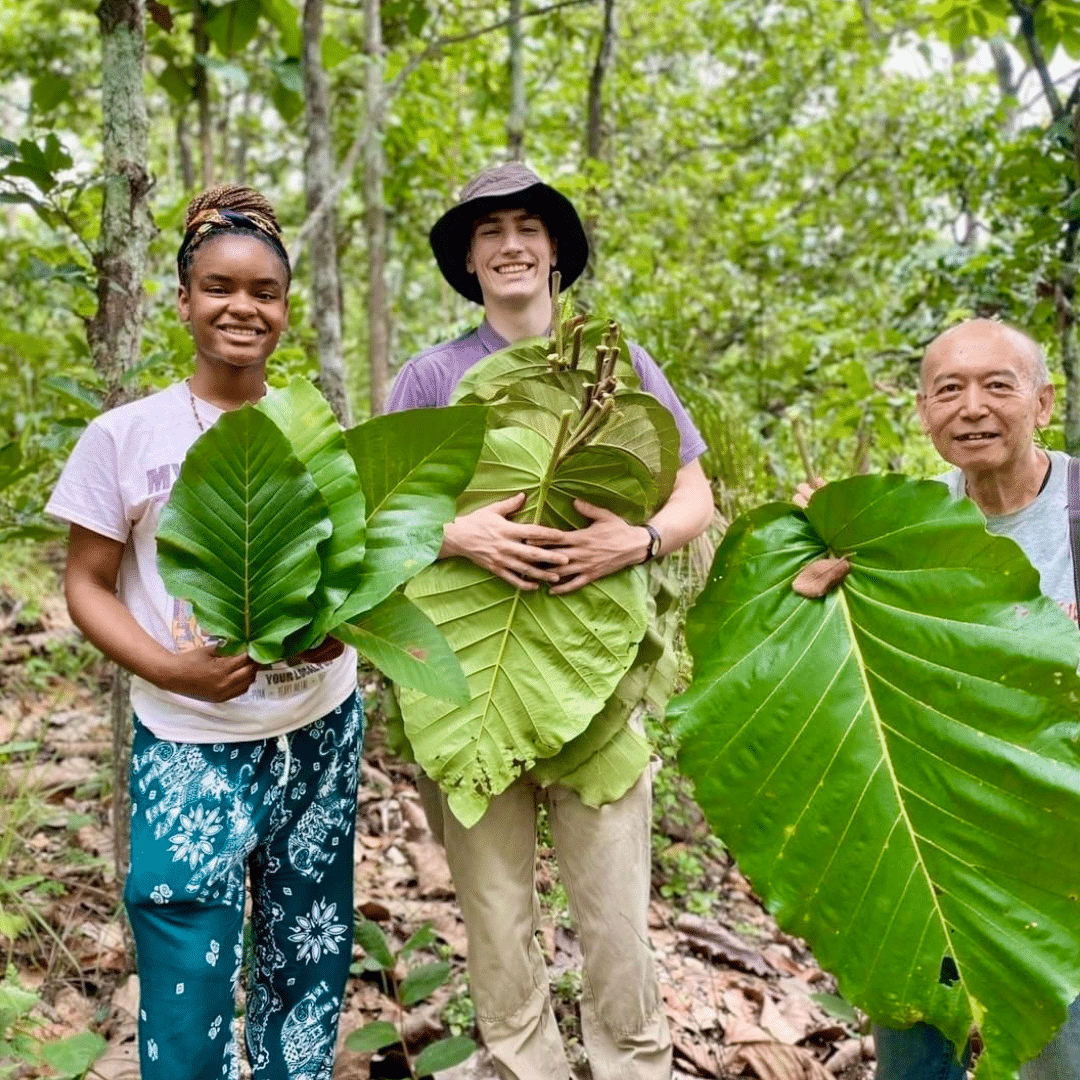
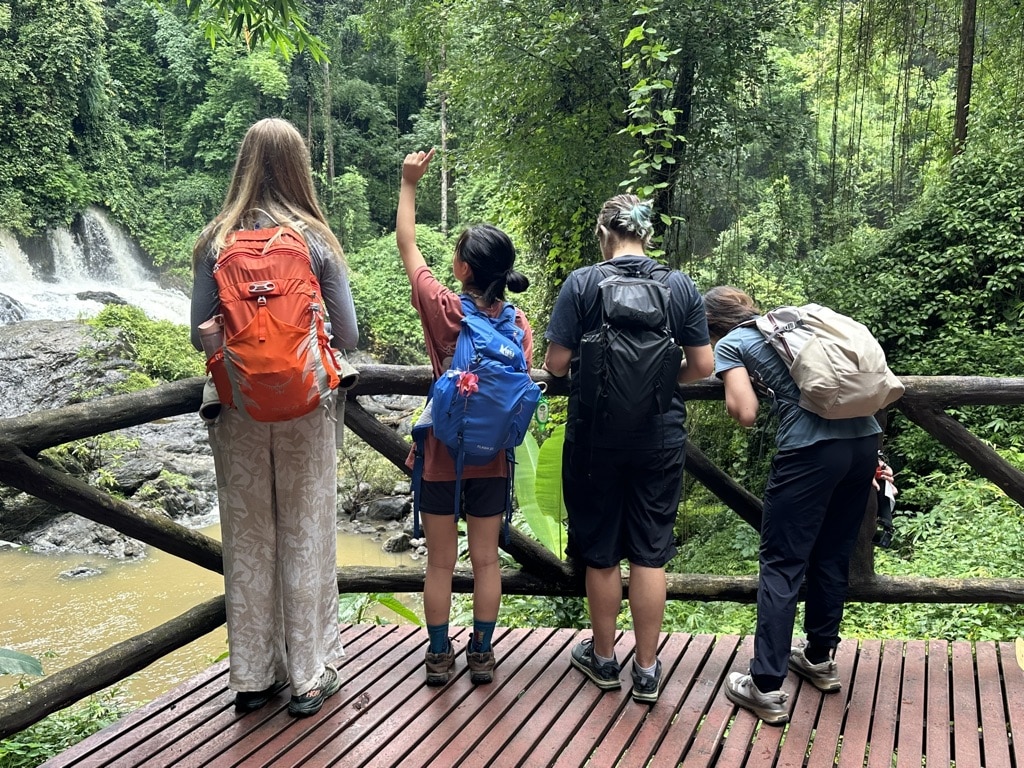
    people pointing at something in forest

    Our journey begins in Sukhothai, the ancient capital of Thailand and a UNESCO World Heritage Site, where we come together as a traveling community and begin exploring what it means to live a good life. Through orientation activities and group discussions, we build the foundations for our journey and reflect on our personal values, intentions, and responsibilities to one another.

    From Sukhothai, we travel into the mountains of northern Thailand, spending time in nature and learning from local communities about their relationships with the land. At Nai Suan, we explore grassroots conservation, sustainable living, and community empowerment, examining how individual well-being connects to the health of our communities and environment. We conclude our second week with a Buddhist monastery retreat, where meditation, mindfulness, and Buddhist teachings invite us to slow down and consider different perspectives on happiness, compassion, and a meaningful life.
  • Week 3

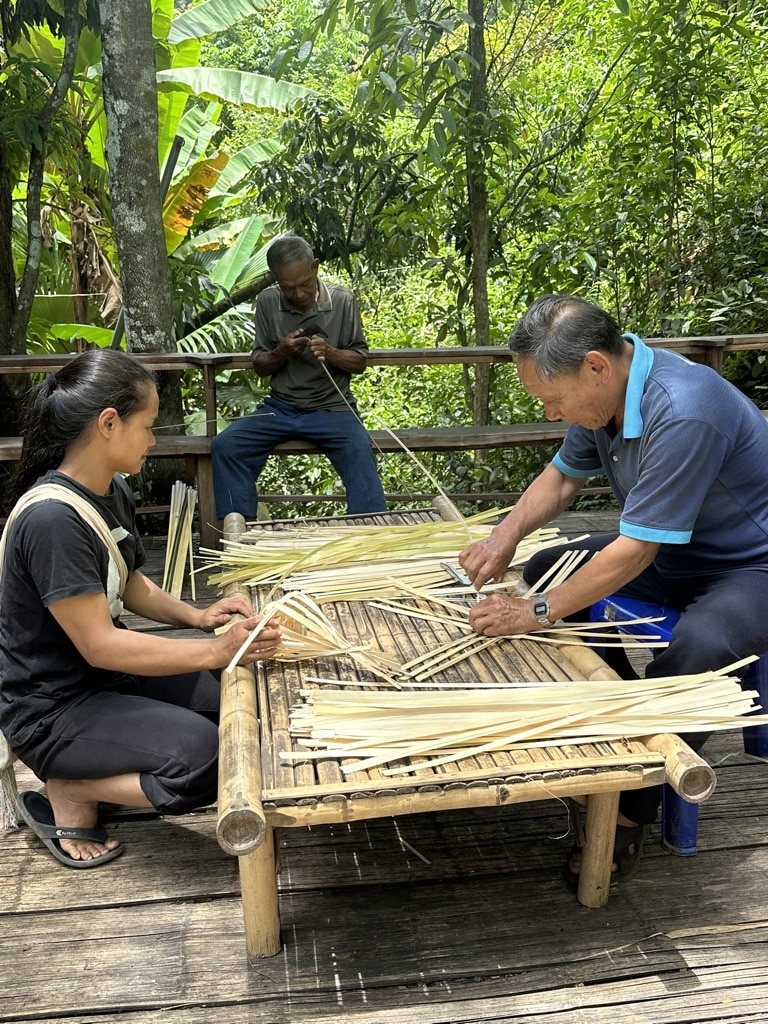
    person learning to weave wood
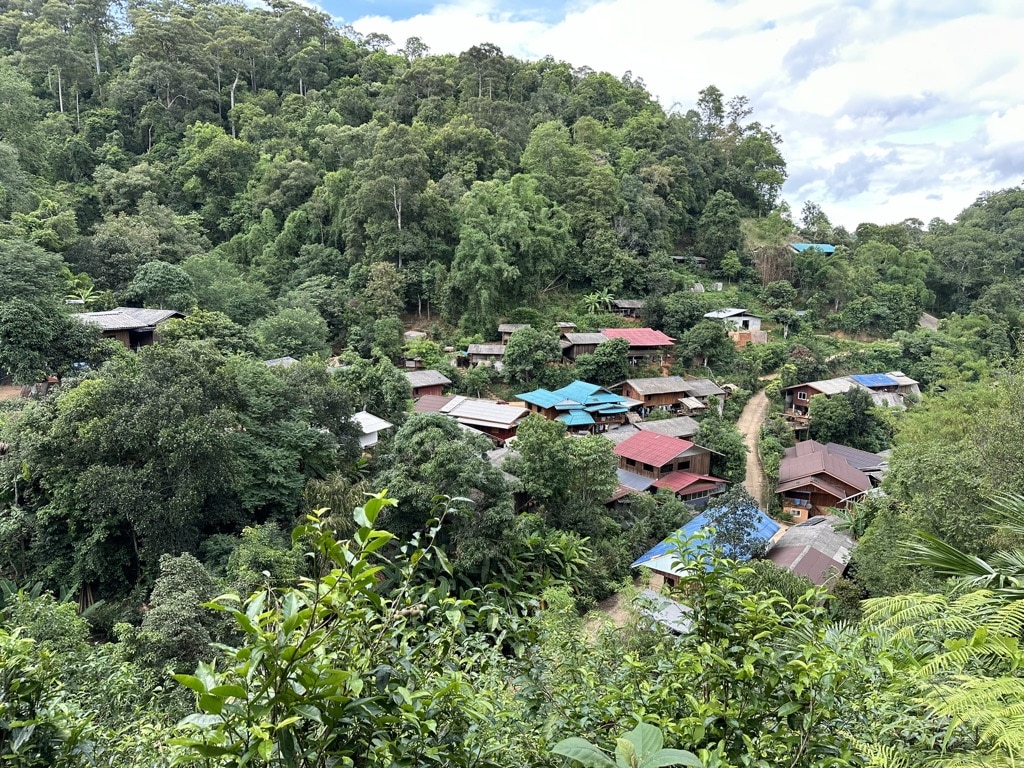
    small village on green hillside

    Our third week brings us to Huai Hin Lad Nai, a Karen community nestled in the forested mountains of northern Thailand, where we settle into homestays and experience the rhythms of rural village life.

    Living alongside host families, we deepen our understanding of community, belonging, and the relationship between people and the natural world. Through daily language lessons, shared meals, and Independent Study Projects (ISPs), students have opportunities to learn traditional skills, explore local knowledge, and build meaningful connections across cultural and linguistic differences. As we participate in everyday life, we reflect on the values of reciprocity, interdependence, and collective well-being, considering how community relationships shape our understanding of what it means to live a good life.

  • Week 4

    Building next to bamboo-style gold tower
    Mekong Travel Abroad

    Our final week in Thailand brings us to Chiang Rai, where students take greater ownership of their journey through a student-led mini expedition. Working together to navigate unfamiliar places, manage travel logistics, and make collective decisions, we put our growing leadership skills, cultural awareness, and group values into practice.

    We then travel to Earth Home, a sustainable living community near Chiang Mai, where we explore alternative approaches to daily life, ecological responsibility, and self-sufficiency. Surrounded by nature, we pause for our midcourse reflection, revisiting the questions that have guided our journey and considering how our understanding of happiness, purpose, and community has evolved. As we prepare to leave Thailand for Cambodia, we carry forward new perspectives, deeper connections, and a growing sense of responsibility for how we engage with the world around us.

  • Week 5

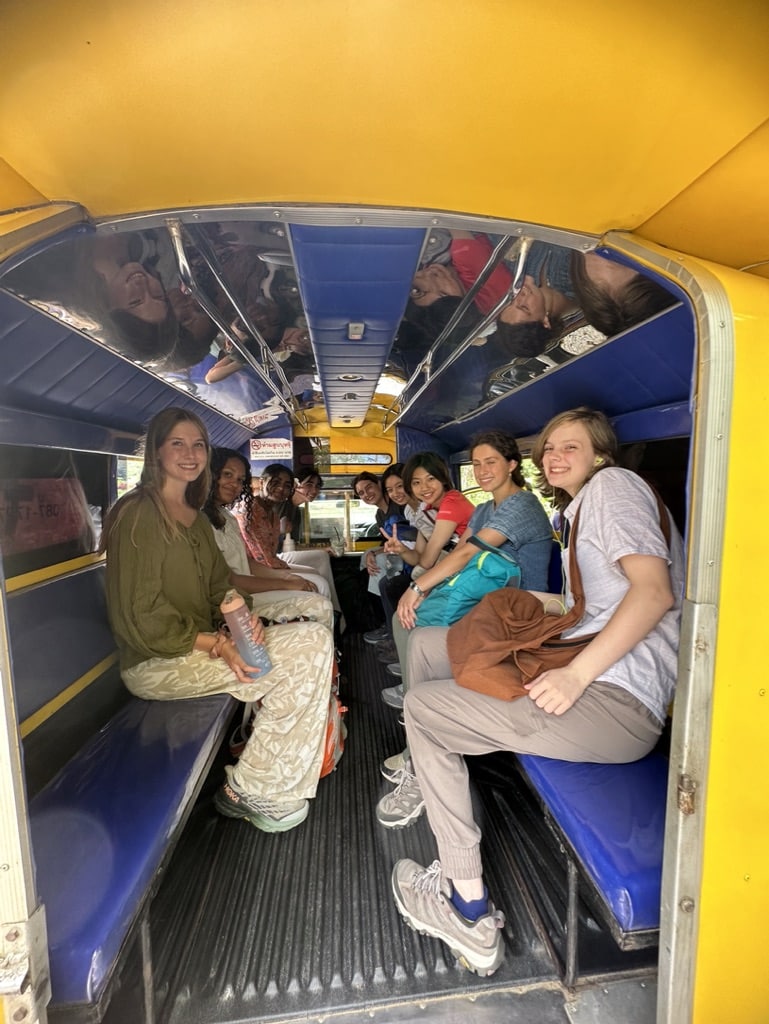
    Riding in back of cart

    Our journey continues in Cambodia’s vibrant capital, Phnom Penh, where we begin exploring the country’s complex history, cultural traditions, and contemporary realities. Through Khmer language lessons and cultural orientation, we prepare to engage thoughtfully with the communities we will encounter.

    Visits to the Tuol Sleng Genocide Museum and the Killing Fields invite us to confront Cambodia’s painful past and reflect on questions of justice, resilience, and collective healing. We also explore the role of Buddhism in Cambodian society through monastery visits and mindfulness practices, while conversations with young entrepreneurs and community activists offer insights into the hopes and aspirations of a new generation. As we navigate the bustling streets of Phnom Penh, we consider how individuals and communities find meaning, rebuild connections, and envision a better future.

  • Week 6

    people sitting down on the floor with monk instructing
    Cambodia Travel Abroad

    Then we travel to the forested landscapes of Kirirom, where we settle into a community living near Kirirom National Park. Through shared meals, daily Khmer lessons, traditional crafts, and participation in their daily life, we deepen our understanding of Cambodian culture and the values that sustain rural communities.

    Guided forest walks and visits to waterfalls introduce us to local conservation efforts and the relationship between environmental stewardship and community livelihoods. We also explore Buddhist traditions through mindfulness practices, food offerings, and ceremonies, while collaborating with community members on a locally guided service-learning project. As we build relationships with our hosts, we reflect on the meaning of reciprocity, resilience, and responsible engagement, asking how we can contribute meaningfully to the communities that welcome us.

  • Weeks 7-8

    people looking at field
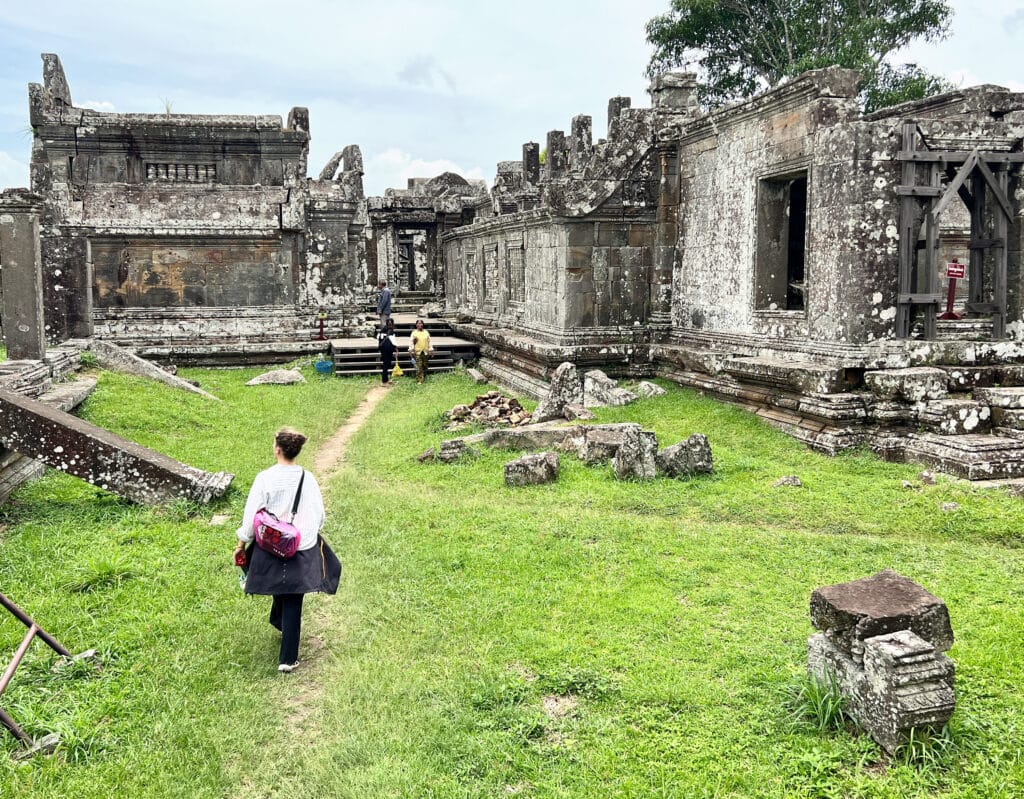
    girl sitting on ground looking at ruins

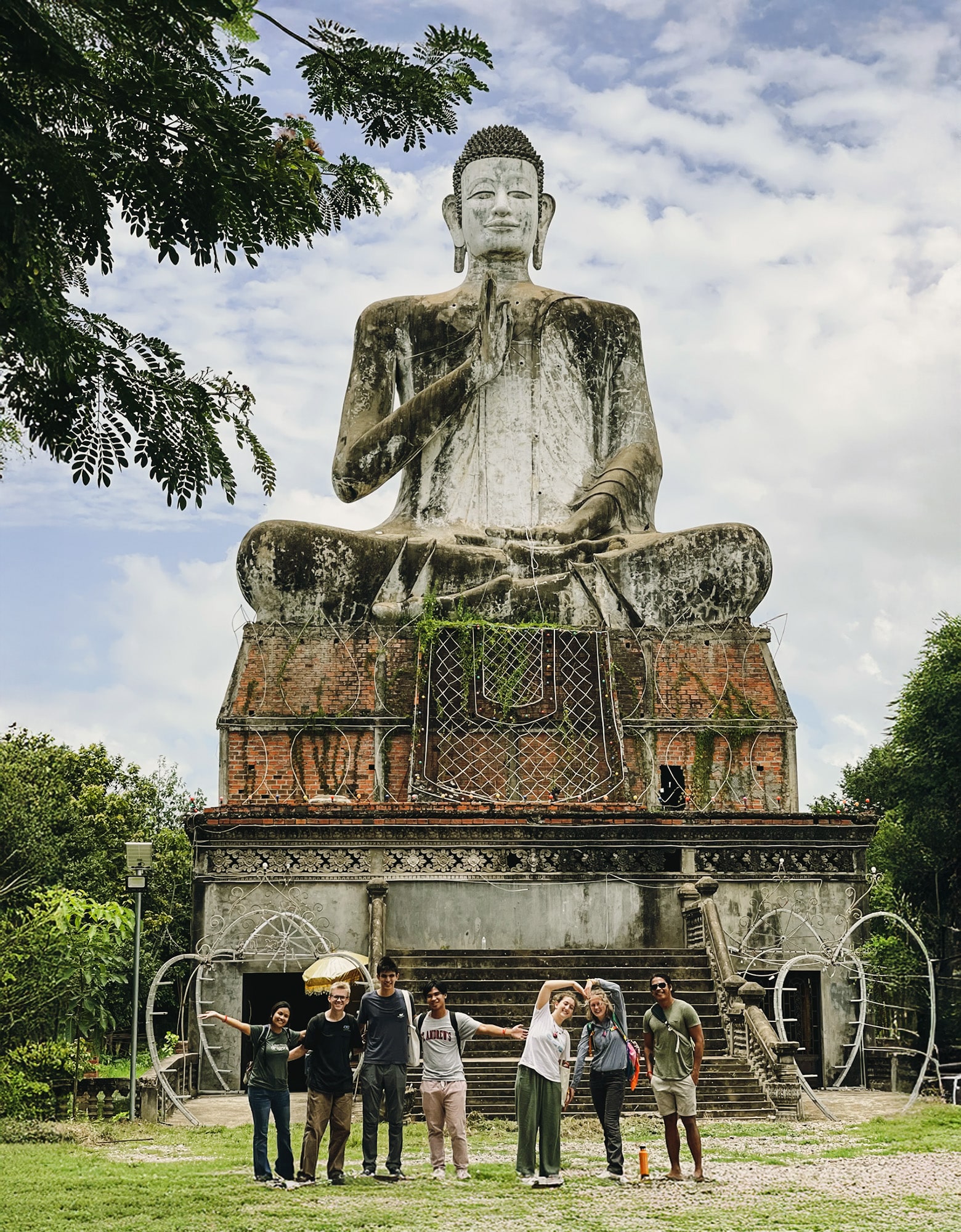
    Next we travel to Battambang, where we deepen our exploration of Buddhist philosophy and mindfulness through conversations and meditation practice with local monks. As we reflect on the connections between personal well-being, compassion, and collective responsibility, students embark on their X-Phase, a student-led expedition that challenges them to put their growing independence, leadership, and cross-cultural skills into practice. Taking ownership of travel decisions and group responsibilities, we explore what it means to navigate the world with intention, curiosity, and care.

    Our time concludes in Siem Reap, home to the magnificent temples of Angkor, where we explore Cambodia’s rich cultural heritage and reflect on the relationship between history, spirituality, and contemporary life. Exchanges with local youth organizations offer perspectives on education, leadership, and aspirations for the future. Through journaling and group reflection, we revisit the guiding questions of our semester and consider how our understanding of a good life has evolved. We celebrate the relationships and experiences that have shaped our journey, carrying home new perspectives on how to live meaningfully and contribute to the world around us.

Rugged Travel

Hop on buses, tuk-tuks, boats, minivans and your own two feet to explore the region.

Social & Environmental Justice

Explore the connections between social well-being, environmental stewardship, and collective responsibility through community-led conservation, sustainable livelihoods, and grassroots initiatives.

Religious & Spiritual Traditions

Explore the role of Buddhism and local spiritual traditions in shaping daily life, community values, and perspectives on happiness and well-being.

Learning Service

Acquire a more profound and nuanced understanding of complex social and development issues through community-based workshops and activities with partner organizations.

Homestay

Multiple short-term homestays and community stays in rural villages and towns in Thailand and Cambodia.

Language Study

Informal instruction and ample opportunities to practice Thai and Khmer in daily interactions with local communities.

Independent Study Project

Deepen your understanding of what makes a good life through independent inquiry into topics such as community well-being, cultural identity, traditional knowledge, and sustainable livelihoods.

Trekking

Day hikes and possible short multi-day hikes while staying in guest houses or communal lodging.

Optional College Credit

To deepen your experience abroad, you may choose to enroll in optional college-level coursework during the program. Those who enroll will be invoiced for an additional college credit fee on top of the program cost.

Students who take a college credit course will receive an official transcript from our university School of Record upon successful completion of the program. Taking advantage of the college credit option may make 529 plan funds eligible toward the entire program cost.

Learn About College Credits

Through our School of Record, you have the option to enroll in 1-4 of the following courses for college credit:

  • COLS 191: Self & Culture in Experiential Cohorts
  • CTE 191: Introduction to Leadership Development
  • CTE 292: Introduction to Ethical Volunteering
See Course Offerings

Meet a Few of Our Instructors

Experienced educators. Community builders. Life mentors. With deep regional expertise and local language fluency, our instructors are skilled at providing context for the student experience and building cultural bridges. We collectively draw upon personal networks to create opportunities for connection and guide students along their journey.

Meet Our Instructors

Frequently Asked Questions

More Questions About Gap Year Travel?

See All Gap Year FAQs

Let's Connect

Schedule a Call

Request a Catalog

Dive Deeper