
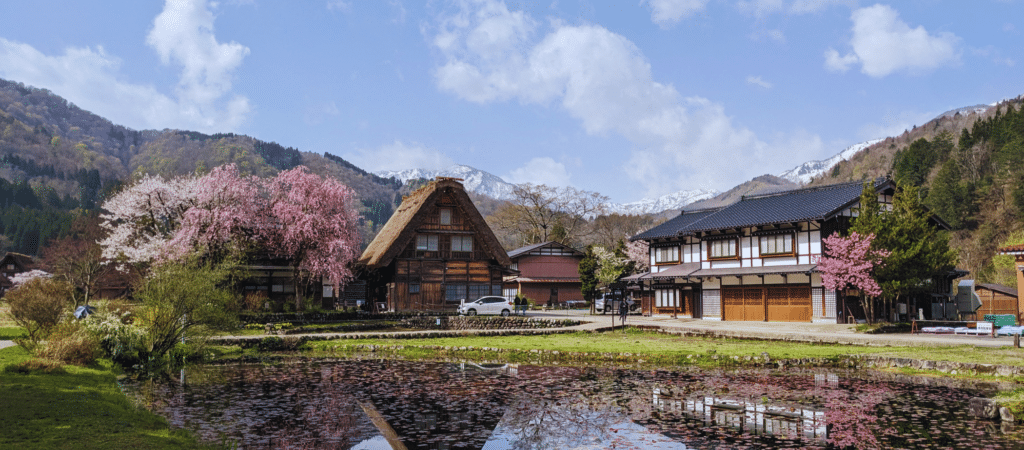
The best place to study abroad in Japan is not defined by a single city, but by how deeply you engage with the country—choosing an experience that emphasizes immersive, intentional travel across regions, where cultural exploration, language learning, and community connection come together to create a meaningful and transformative journey.
Japan invites curiosity at every turn, from quiet temple towns to fast-paced urban centers. But the most impactful study abroad experiences go beyond location—they focus on how you engage with the place itself. Rather than staying on the surface, students are encouraged to venture into the unfamiliar and experience Japan through its people, traditions, and daily rhythms. In doing so, a Gap Year becomes not just a destination, but a path toward self-discovery and growth.
The best place to study abroad in Japan is a program that takes you beyond one location and into a layered, immersive experience across the country. Programs that are intentionally designed to expose students to both rural and urban Japan, allowing for a more complete and unfiltered understanding of the culture.
Students might move from the stillness of a monastery in Koyasan to the vibrant energy of Tokyo’s neighborhoods, experiencing contrasts that reveal the depth of Japanese life. This approach helps students challenge their perspective, as they begin to see how tradition and modernity coexist in meaningful ways.
Rather than choosing a single “best” city, students benefit most from a journey that connects multiple places and perspectives. This kind of slow travel fosters presence, adaptability, and a deeper appreciation for the nuances of each region.
Japan becomes one of the best places to study abroad when learning is rooted in food, culture, and daily life. For example, food is not just something you eat—it’s a gateway into history, identity, and connection.
Through hands-on workshops, students explore traditional arts, culinary practices, and local customs. They might learn directly from artisans, participate in cooking experiences, or study the cultural significance behind everyday meals. Language lessons further deepen this connection, allowing students to engage more authentically with the people they meet.
This immersive approach transforms learning into something lived rather than observed. Instead of consuming culture as a tourist, students participate in it—building relationships and understanding that feel both personal and lasting.
Key elements of this experience include:
By engaging in these ways, students experience Japan not as a highlight reel, but as a place of meaningful connection and discovery.
Japan becomes a transformative place to study abroad when the experience is designed with intention, reflection, and challenge. Where There Be Dragons programs prioritize these elements, creating an environment where students can grow both personally and academically.
| Program Element | Experience in Japan | Outcome |
| Cultural Immersion | Homestays and local interaction | Deep cultural understanding |
| Language Study | Daily practice in real contexts | Communication and confidence |
| Experiential Learning | Workshops, travel, and independent projects | Real-world skills and curiosity |
| Reflection | Guided discussions and personal journaling | Self-awareness and clarity |
Students are encouraged to step outside their comfort zones, navigate unfamiliar environments, and reflect on their experiences along the way. This balance of challenge and support helps them experience their potential in ways that feel both empowering and lasting.
By traveling intentionally and engaging deeply, students don’t just visit Japan—they develop a relationship with it. And in that process, they begin to better understand themselves.
To learn more about how you can study abroad in Japan through an immersive, meaningful Gap Year experience, contact us today and start building a journey that challenges your perspective and expands your world.