
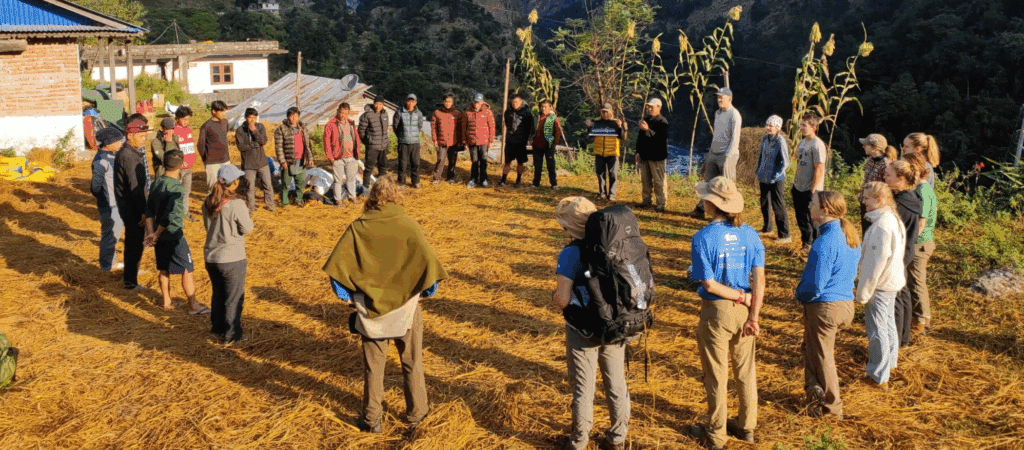
The best year to take a Gap Year depends on your goals, but most students find that the transition periods—after high school and before college, or during college—are the most meaningful times. These moments of change offer the space to step away from your daily routine, explore your passions, and embrace experiences that are transformative, immersive, and intentional. No matter when you take it, a Gap Year provides opportunities for self-discovery, real-world skill-building, and a deeper understanding of global cultures.
A Gap Year is not a pause; it’s actually quite the opposite. It can be the bridge that helps you connect through real experiences that can shape your potential and future.
For many students, the most impactful time to take a Gap Year is directly after high school. This is a natural pause before the new responsibilities of university life, making it an ideal season for immersive exploration.
Taking a gap year at this stage often makes the college experience richer, as students return more focused, self-aware, and grounded.
A gap year doesn’t have to happen before college—many students choose to pause during their degree to gain immersive experiences that deepen their studies.
| Timing in College | Why It Works | Benefits Gained |
| After Freshman Year | Breaks routine and helps students reassess academic fit | Clarifies direction before committing further |
| Mid-Degree (Sophomore/Junior Year) | Creates space to integrate learning with lived experiences | Strengthens global perspective and adaptability |
| Before Senior Year | Offers reflection before entering the job market | Builds resilience and career-oriented skills |
These pauses allow students to apply classroom learning to real-world settings, ensuring their education feels meaningful and connected.
Ready to challenge your perspective and discover the best year for your gap year? Contact us to explore programs that will help you venture into the unfamiliar and experience your potential in ways that are transformative and lasting.