
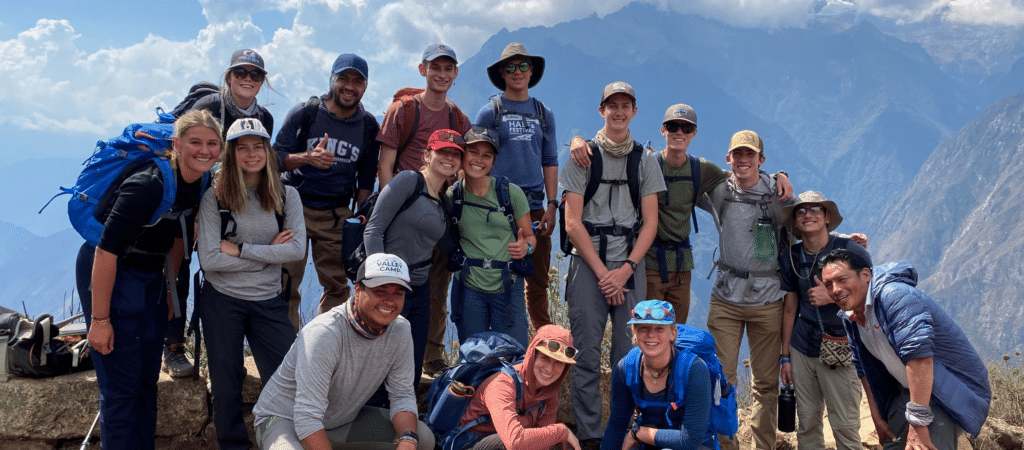
The best age to take a Gap Year is typically between 17 and 22, when students are transitioning between major life stages and are ready for immersive, intentional experiences, which emphasize self-discovery, cultural engagement, and real-world learning through meaningful travel across global destinations.
A Gap Year is less about a fixed age and more about readiness—the willingness to step into the unfamiliar and engage with the world in a deeper, more intentional way. At Where There Be Dragons, students are invited to pause traditional academic pathways and enter immersive experiences that foster growth through lived experience. This transitional moment—often between high school and college—is when many students begin to ask bigger questions about identity, purpose, and direction. A Gap Year becomes a space to challenge your perspective and experience your potential in real-world contexts.
The most common age range for a Gap Year with Where There Be Dragons is late teens through early twenties, when students are naturally navigating transition and open to exploration beyond structured academic environments.
This stage of life is often defined by curiosity and uncertainty in equal measure. Students are deciding what comes next, but are not always sure what direction feels right. Immersive travel creates space to explore those questions through experience rather than expectation. Whether engaging with rural communities in Nepal or participating in cultural life in Peru, students begin to understand themselves through connection and daily life.
At this age, growth often comes from stepping outside familiar systems and learning through presence, observation, and participation. It is a time when immersive experiences feel especially powerful because students are still shaping their worldview.
While late teens and early twenties are most common, a Gap Year with Where There Be Dragons can be valuable at multiple stages, depending on a student’s goals and readiness for immersive learning.
Some students take a Gap Year immediately after high school to gain clarity before college. Others choose to step away during college to reset direction or deepen global awareness. Some return to immersive travel later, seeking perspective after academic or professional experience.
Common age-based motivations include:
What matters most is not the number, but the openness to engage fully in immersive, intentional travel that encourages growth through lived experience.
At Where There Be Dragons, readiness is considered more important than age because meaningful transformation depends on mindset, curiosity, and willingness to engage deeply with the world.
| Readiness Factor | What It Looks Like in Practice | Impact on Experience |
| Curiosity | Asking questions and seeking understanding | Deeper cultural engagement |
| Adaptability | Comfort with change and uncertainty | Easier adjustment to new environments |
| Openness | Willingness to listen and learn | Stronger relationships and insight |
| Reflection | Ability to process lived experiences | Meaningful personal growth |
Students who are open to slowing down, engaging deeply, and stepping into unfamiliar environments often gain the most from a Gap Year experience—regardless of age. These journeys are designed to help students experience their potential through immersive, intentional travel.
To learn more about whether a Gap Year with Where There Be Dragons is right for you, we encourage you to connect with us and explore how an immersive experience can support your growth and direction.